2027 Mercedes-Benz GLC 300 4MATIC Specs: The Real-World Tradeoffs Behind Fuel Efficiency – Imagine setting out on a cross-country trip with the 2027 Mercedes-Benz GLC 300 4MATIC. The question that immediately arises: how well does this luxury compact SUV balance the measurable specs that matter for long-distance cruising comfort, luggage capacity, and overall efficiency? While the 2027 model’s full specification sheet remains under wraps, the known details and the gaps in information both shape the practical decisions a buyer must make.
Powertrain and Performance: What Drives the 2027 GLC 300 4MATIC?
One of the most tangible specs for anyone planning extended highway miles is the powertrain output and drivetrain configuration. The “4MATIC” badge confirms all-wheel drive, a system designed to enhance traction and stability in varied conditions—an important factor for confident cruising on wet or uneven roads. However, the exact engine output for the 2027 GLC 300 4MATIC is currently unconfirmed.
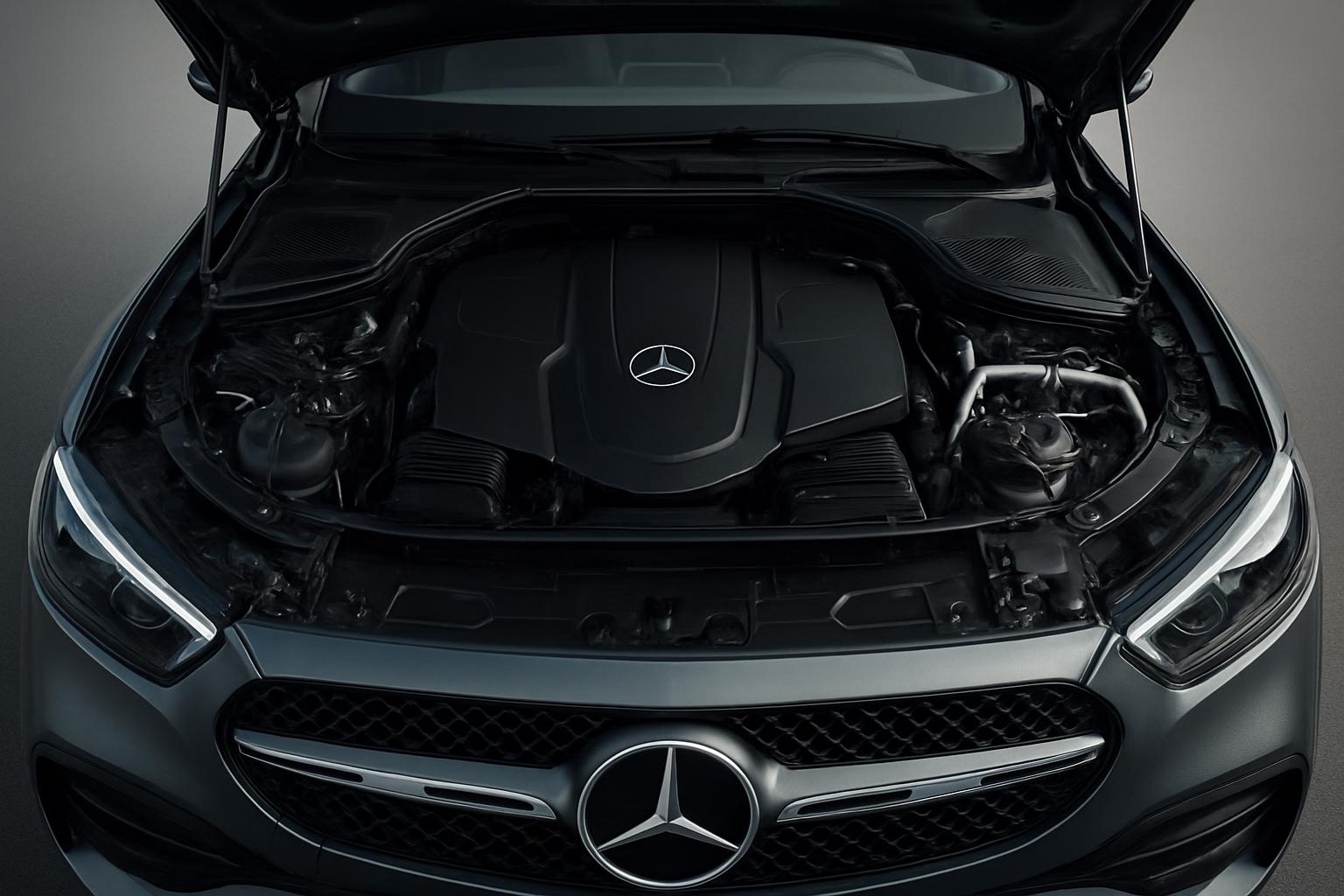
Looking back at the previous generation GLC 300 4MATIC, the model was powered by a 2.0-liter turbocharged inline-4 producing around 255 horsepower and 273 lb-ft of torque. This setup provided a balanced blend of responsive acceleration and fuel efficiency, crucial for long-distance drives where both power and economy matter. Yet, without official 2027 figures, it’s unclear whether Mercedes-Benz has tuned the engine differently, introduced mild-hybrid assistance, or upgraded transmission ratios to improve efficiency or performance.
For buyers, this means verifying powertrain details upon release is essential. Horsepower and torque numbers directly influence highway merging, overtaking capability, and the vehicle’s ability to maintain speed on inclines without excessive engine strain. The 4MATIC system’s calibration also affects fuel consumption and handling feel, so understanding any updates or changes will clarify the 2027 model’s real-world cruising comfort and capability.
Fuel Efficiency and Range: The Unseen Numbers That Matter on the Road
Fuel economy is a cornerstone specification for long-distance travel. It dictates how often you’ll need to stop for fuel and impacts overall trip cost. Unfortunately, official fuel economy ratings for the 2027 GLC 300 4MATIC have not been published. The previous generation’s EPA estimates hovered around 22 mpg city and 29 mpg highway, figures that set a reasonable baseline but don’t guarantee future performance.
Efficiency gains in modern vehicles often come from engine refinements, weight savings, or hybrid systems. Without confirmation, it’s impossible to say if the 2027 GLC 300 4MATIC benefits from such improvements. Buyers should watch for official EPA ratings or WLTP figures once available, as these will provide a clearer picture of the SUV’s cruising range and fuel stops frequency.
Moreover, fuel tank capacity is another critical spec that remains unverified. A larger tank extends range between fill-ups, a convenience factor especially valued on long stretches of highway with sparse fueling stations. If the 2027 model retains the previous generation’s approximate 17.4-gallon tank, range estimates can be roughly calculated, but any changes here will alter that dynamic.
Interior Space and Luggage Capacity: Measuring Practical Comfort
Long-distance travel demands more than just engine specs; cabin comfort and cargo space are equally vital. The GLC 300 4MATIC’s interior dimensions and luggage capacity directly affect how much gear and how many passengers can be accommodated without sacrificing comfort.
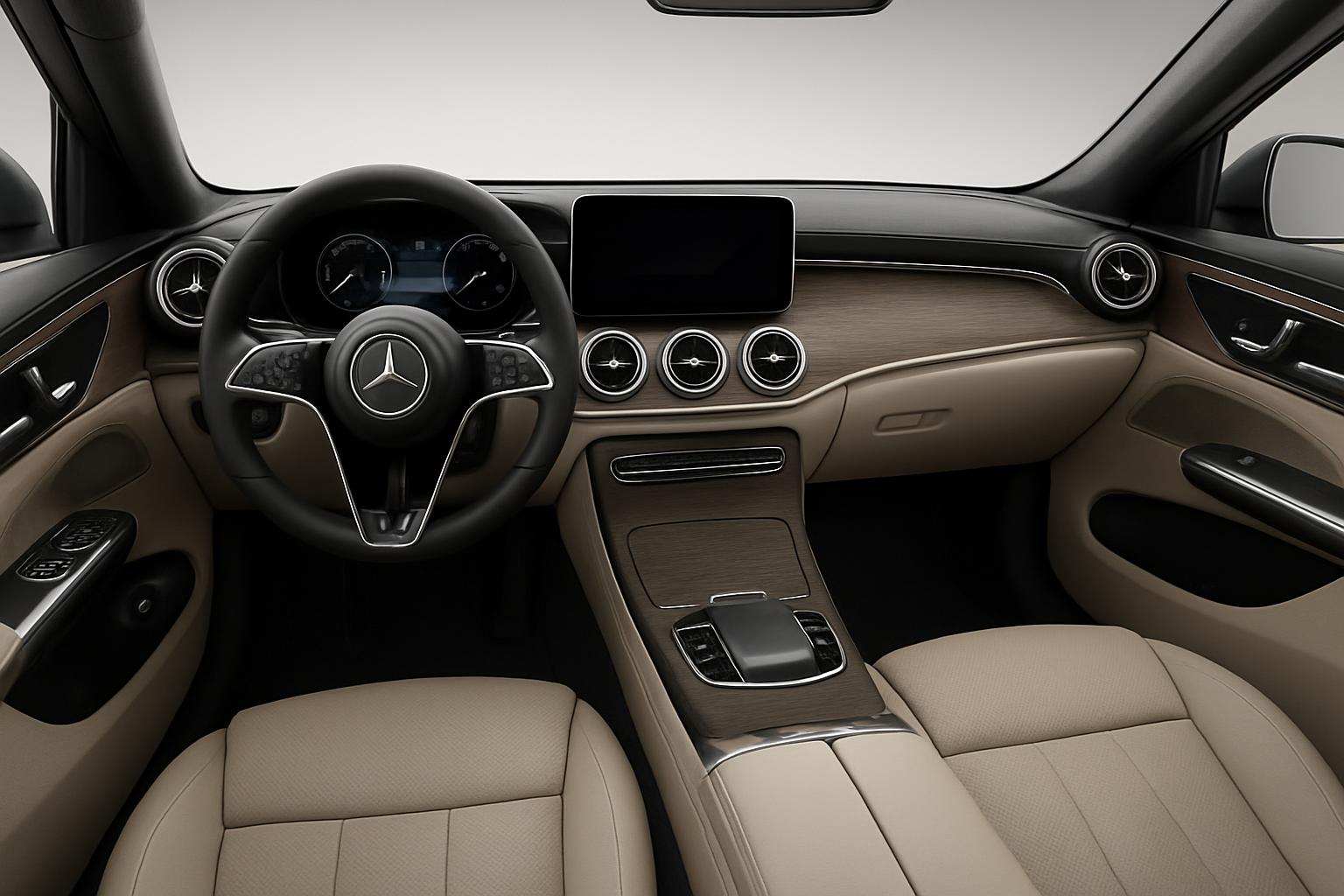
While the 2027 model’s exact interior measurements are not yet confirmed, the previous generation offered a passenger volume of about 104 cubic feet and a cargo capacity of roughly 19.4 cubic feet behind the rear seats. Folding the rear seats expanded cargo space to approximately 56.5 cubic feet. These numbers translate into practical luggage arrangements for weekend trips or longer vacations.
Buyers should verify if the 2027 GLC 300 4MATIC maintains or improves these dimensions. Even slight changes in rear legroom or cargo volume can influence the usability of the SUV for families or those who prioritize gear space. Additionally, the shape of the cargo area and the ease of folding seats are specs that affect loading convenience, though these details often emerge only through hands-on reviews or official brochures.
Suspension and Ride Quality: The Specs Behind Comfort on the Open Road
Long-distance cruising comfort hinges on suspension tuning and ride quality, areas where measurable specs like suspension type and wheelbase length offer clues. The 2027 GLC 300 4MATIC’s wheelbase has not been officially disclosed, but the previous generation measured around 113.1 inches. Wheelbase length influences ride smoothness and interior space; a longer wheelbase generally provides a more stable and comfortable ride, especially over highway miles.
The suspension setup in prior models combined a multi-link rear suspension with a front independent suspension, balancing handling precision with comfort. Whether the 2027 model retains this architecture or shifts to an updated system remains to be seen. Buyers focused on ride comfort should look for official specs or test drives that reveal how well the suspension absorbs road imperfections and maintains composure during extended drives.
Additionally, tire size and wheel options, which affect both ride and noise levels, are yet to be confirmed for the 2027 model. These details can materially influence the cruising experience, as larger wheels with low-profile tires often trade comfort for sharper handling.
Technology and Convenience Features That Support Long-Distance Travel
While not strictly numerical specs, the presence of driver assistance systems and cabin conveniences materially affect long-distance usability. Features like adaptive cruise control, lane-keeping assist, and advanced infotainment systems reduce driver fatigue and enhance safety on long highway stretches.
Although the 2027 GLC 300 4MATIC’s specific tech package details are unconfirmed, Mercedes-Benz traditionally equips this model with a suite of semi-autonomous driving aids and a high-resolution digital cockpit. Buyers should confirm the availability and functionality of these systems, as their presence can transform the cruising experience from merely tolerable to genuinely relaxing.
Similarly, interior climate control specs—such as multi-zone automatic climate control—impact passenger comfort over hours on the road. The 2027 model’s exact capabilities in this regard remain to be detailed, but these features are worth verifying for anyone prioritizing a pleasant cabin environment during long trips.
Summary: Navigating Known Specs and Unknowns for the 2027 GLC 300 4MATIC
In the absence of fully confirmed specifications, the 2027 Mercedes-Benz GLC 300 4MATIC presents a mix of familiar strengths and open questions. Its all-wheel-drive system signals capability and confidence in varied conditions, a definite plus for cruising stability. Yet key specs—engine output, fuel economy, interior dimensions, and suspension details—remain unverified, leaving buyers to rely on previous generation benchmarks as provisional guides.
For those planning long-distance travel, the tradeoff matrix revolves around power and efficiency, cargo capacity and passenger comfort, and technology that eases the driving burden. Each measurable specification directly influences how the GLC 300 4MATIC performs in these areas. Verifying these details upon official release will be crucial for making an informed decision.
Until then, prospective owners should monitor manufacturer announcements and trusted automotive sources for updates. Understanding the precise specs behind the 2027 GLC 300 4MATIC will illuminate whether it delivers the balanced package needed for comfortable, efficient, and convenient long-haul journeys.
For confirmed updates, consult Official Mercedes-Benz website and EPA fuel economy information. These resources do not confirm unannounced model-year details.
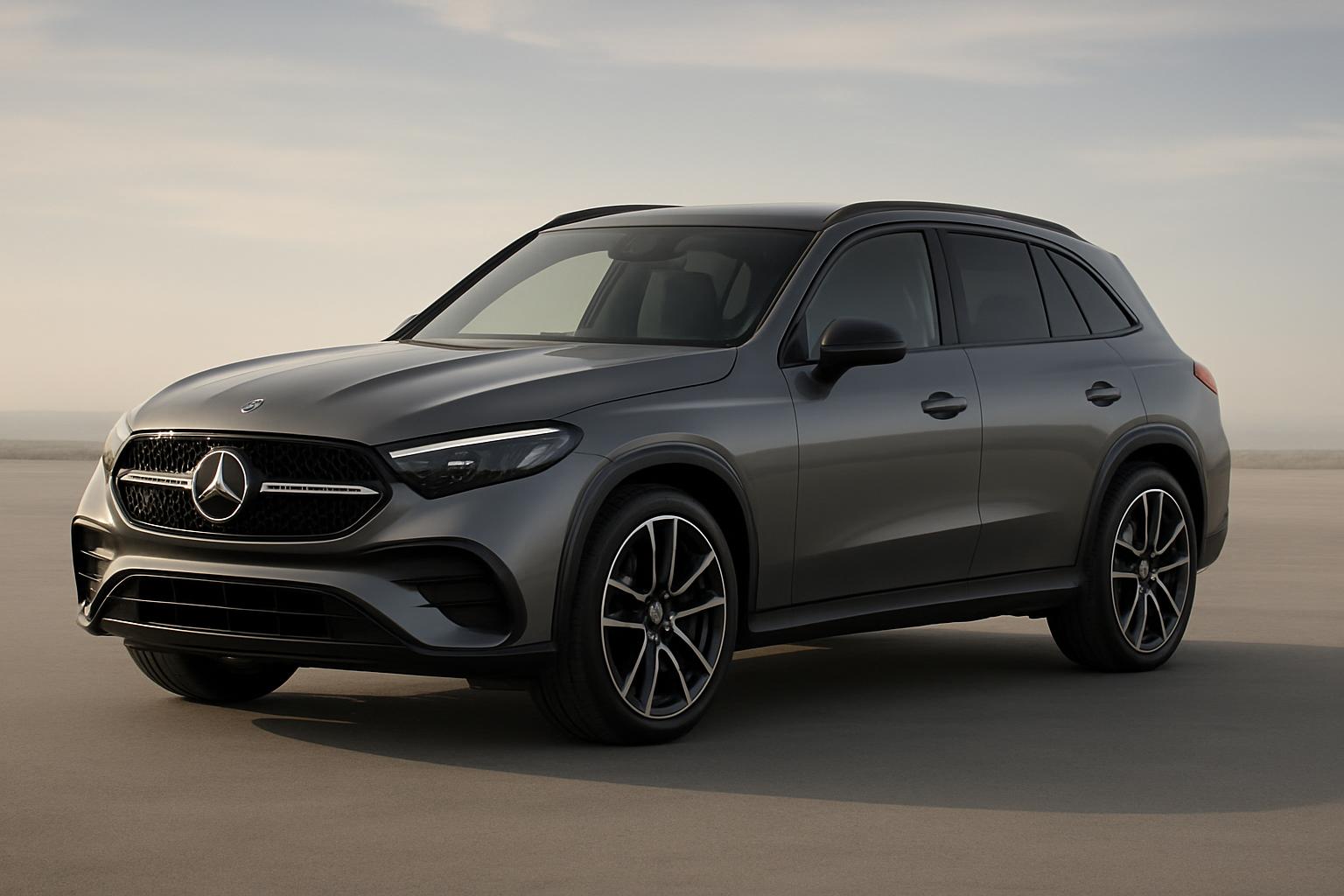
Additional Vehicle Images
Frequently Asked Questions
2027 Mercedes-Benz GLC 300 4MATIC Specs: The Real-World Tradeoffs Behind Fuel Efficiency - Imagine setting out on a cross-country trip with the 2027 Mercedes-Benz GLC 300 4MATIC. The question that immediately arises: how well does this luxury compact SUV balance the measurable specs that matter for long-distance cruising…
Powertrain and Performance: What Drives the 2027 GLC 300 4MATIC? One of the most tangible specs for anyone planning extended highway miles is the powertrain output and drivetrain configuration. The "4MATIC" badge confirms all-wheel drive, a system designed to enhance traction and stability in varied conditions—an important factor…
Looking back at the previous generation GLC 300 4MATIC, the model was powered by a 2.0-liter turbocharged inline-4 producing around 255 horsepower and 273 lb-ft of torque. This setup provided a balanced blend of responsive acceleration and fuel efficiency, crucial for long-distance drives where both power and economy…
For buyers, this means verifying powertrain details upon release is essential. Horsepower and torque numbers directly influence highway merging, overtaking capability, and the vehicle’s ability to maintain speed on inclines without excessive engine strain. The 4MATIC system’s calibration also affects fuel consumption and handling feel, so understanding any…
Fuel Efficiency and Range: The Unseen Numbers That Matter on the Road Fuel economy is a cornerstone specification for long-distance travel. It dictates how often you’ll need to stop for fuel and impacts overall trip cost. Unfortunately, official fuel economy ratings for the 2027 GLC 300 4MATIC have…