2027 Ford Expedition Timberline 4WD Specs: How Powertrain Performance Could Shape Daily Use – Deciding between a rugged off-road SUV and a spacious family hauler often boils down to a few core specifications: powertrain capability, drivetrain layout, and cargo flexibility. The 2027 Ford Expedition Timberline 4WD sits at this crossroads, promising a blend of off-road readiness and full-size SUV practicality. Yet, as the 2027 model year approaches, many of its key specifications remain unconfirmed, leaving buyers to weigh what is known against what remains to be verified.
Powertrain and Drivetrain: What We Know and What Remains Unclear
The heart of any Timberline model is its ability to handle challenging terrain without sacrificing everyday usability. Historically, the Ford Expedition Timberline has been equipped with a robust 3.5-liter twin-turbocharged V6 engine paired with a 10-speed automatic transmission and a four-wheel-drive system optimized for off-road traction.
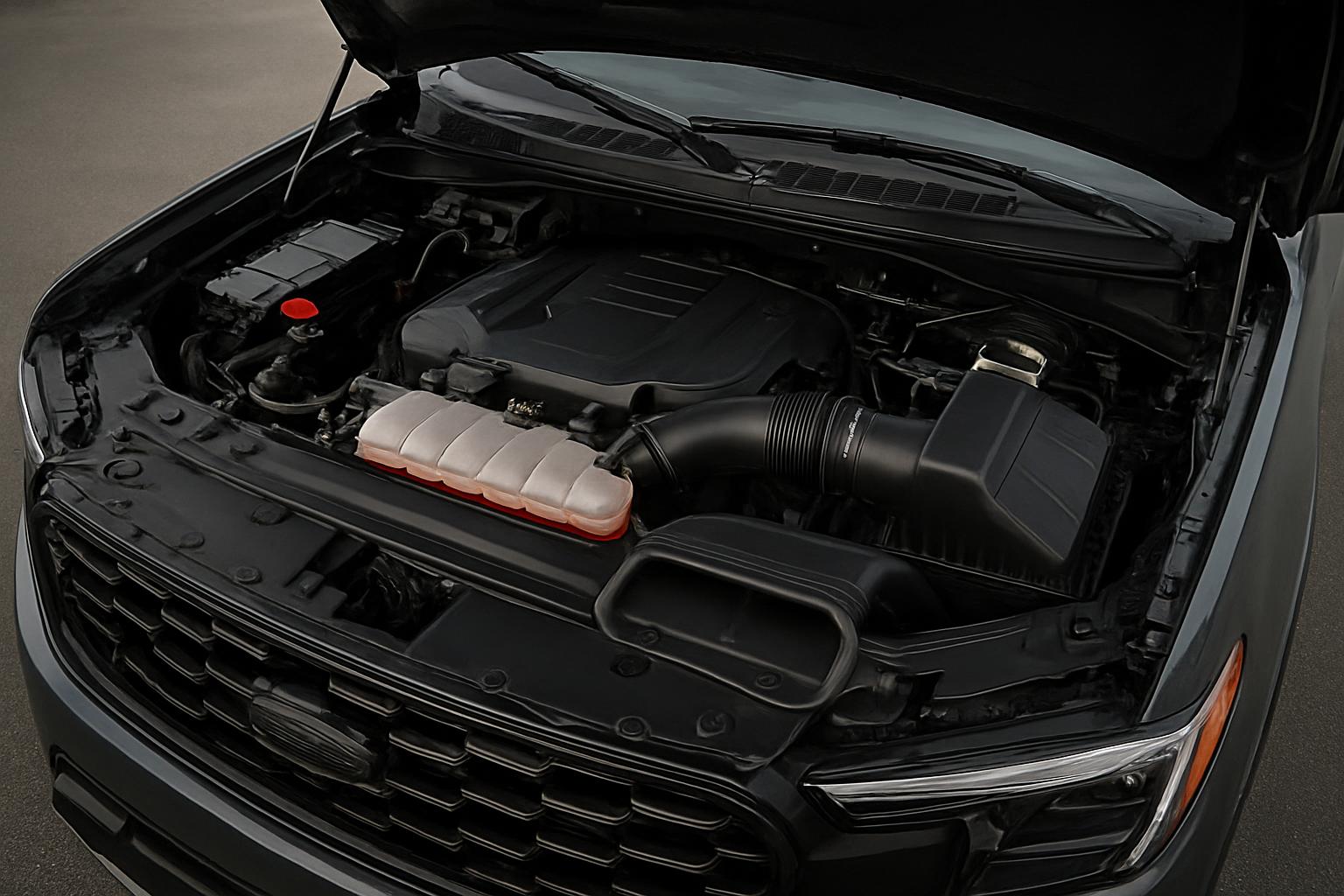
For the 2027 model, Ford has not officially released engine output figures or confirmed drivetrain enhancements. Previous-generation Timberline models delivered around 400 horsepower and 480 lb-ft of torque, figures that supported confident towing and off-road performance. However, without official 2027 specs, it’s premature to assume these numbers carry over unchanged.
This uncertainty matters because horsepower and torque directly influence towing capacity, acceleration, and the vehicle’s ability to traverse steep or uneven terrain. Buyers prioritizing capability should monitor Ford’s announcements closely, especially for any changes in powertrain tuning or drivetrain technology that could affect real-world performance.
Off-Road Capability: Suspension, Ground Clearance, and Traction Systems
The Timberline trim is distinguished by its off-road enhancements, which typically include upgraded suspension components, increased ground clearance, and specialized traction control systems. These features are designed to improve approach and departure angles, reduce underbody damage risk, and maintain grip on slippery or loose surfaces.
While the 2027 Ford Expedition Timberline 4WD is expected to continue this tradition, specific measurements such as exact ground clearance, suspension travel, and skid plate coverage have not been officially disclosed. For context, the previous generation offered approximately 10.6 inches of ground clearance, a figure that allowed confident navigation of moderate off-road obstacles.
Understanding these dimensions is critical for buyers who intend to use the Timberline for serious off-roading versus those who value the aesthetic and occasional trail capability. Without confirmed 2027 figures, buyers should verify these specs at launch or through trusted dealer information to ensure the vehicle meets their off-road expectations.
Exterior Dimensions and Practical Packaging
Physical size impacts maneuverability, parking ease, and interior space. The Timberline’s exterior dimensions influence not only how it handles off-road trails but also how it fits into daily life scenarios like garage storage and urban driving.
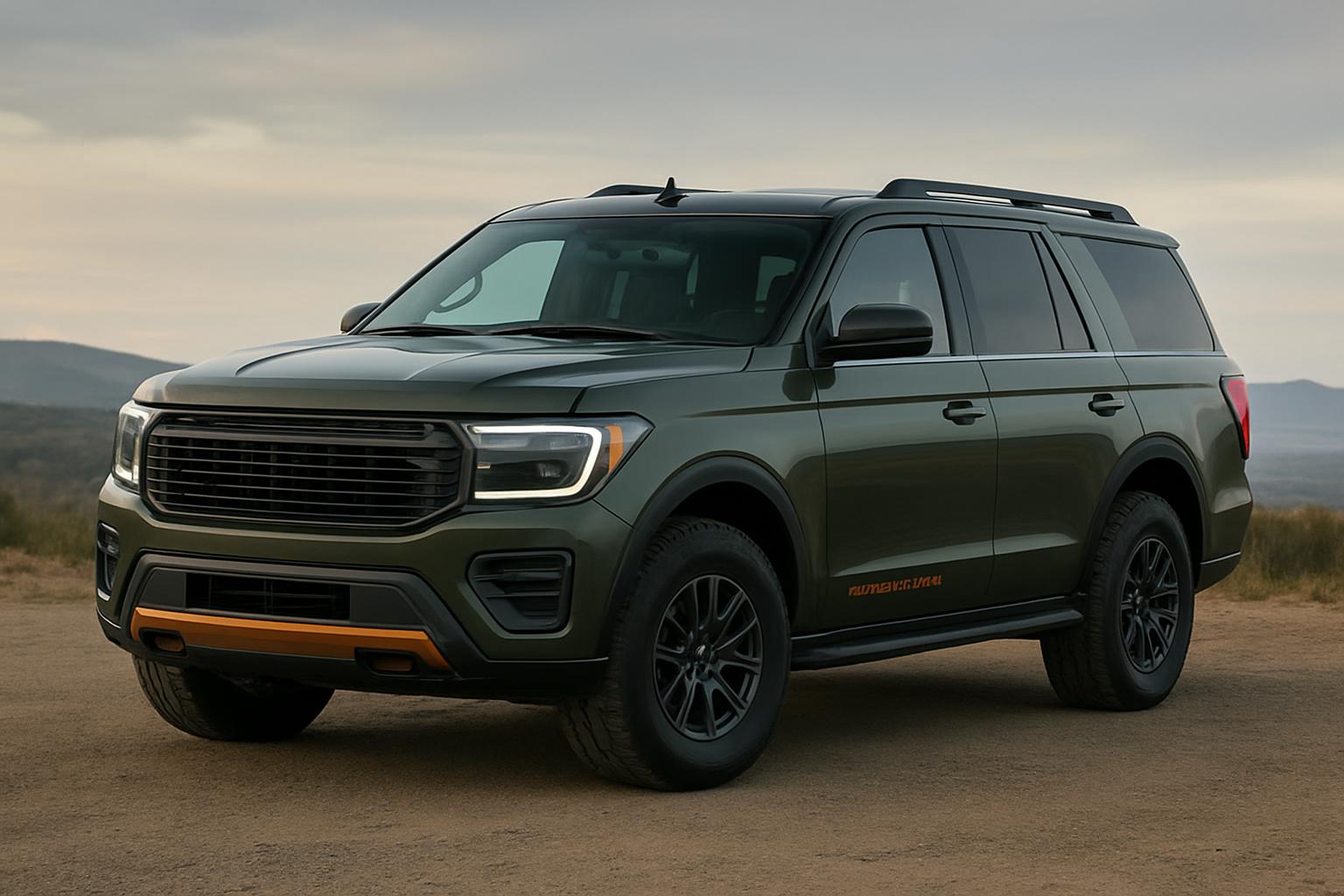
Ford has not released exact 2027 dimensions for the Timberline variant. The previous generation measured roughly 210 inches in length with a wheelbase near 122 inches. These dimensions provided a balance between roomy interior space and manageable footprint for a full-size SUV.
Prospective buyers should consider how these dimensions affect turning radius and parking ease. Larger SUVs can be cumbersome in tight spaces, while smaller dimensions might limit interior room or cargo capacity. Confirming the 2027 Timberline’s exact measurements will be essential for those balancing off-road ambitions with everyday usability.
Interior Space and Cargo Capacity: Balancing Comfort and Utility
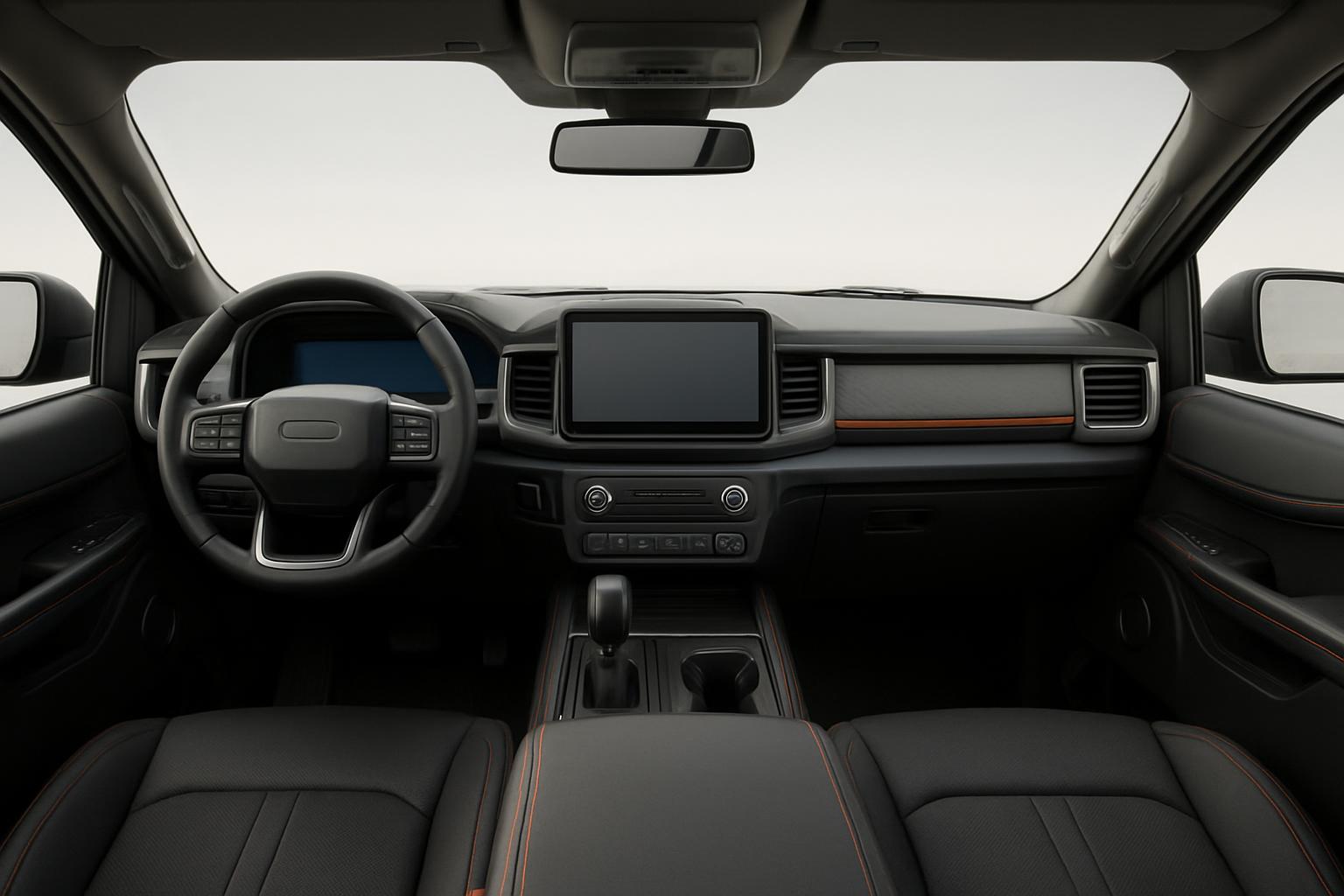
While the Timberline trim emphasizes ruggedness, it also needs to maintain the Expedition’s reputation for spaciousness and versatility. Cargo volume and passenger room are key specs that influence how well the vehicle adapts to family trips, gear hauling, or camping excursions.
Official 2027 interior and cargo specs for the Timberline are not yet public. Previous models offered generous cargo space, with over 20 cubic feet behind the third row and upwards of 80 cubic feet with rear seats folded. These volumes allowed for flexible storage without compromising passenger comfort.
Buyers should assess how interior packaging evolves in the 2027 model, especially if changes in drivetrain or off-road hardware impact cabin space. Verifying seat configurations, cargo floor flatness, and storage solutions will help determine if the Timberline remains a practical choice beyond its off-road persona.
Towing Capacity and Payload: Key Numbers to Verify
Towing capability is often a decisive factor for Expedition buyers. The Timberline’s off-road focus might suggest tradeoffs in maximum towing figures due to suspension tuning or weight additions from protective gear.
Without official 2027 specs, it’s unclear whether towing capacity will match or differ from previous models, which could tow up to around 9,000 pounds when properly equipped. Payload capacity figures are similarly unconfirmed.
Understanding these numbers is crucial for buyers who plan to haul trailers, boats, or heavy gear. It’s advisable to confirm these specs upon release, as they directly affect the vehicle’s suitability for work or recreational towing tasks.
Why Verification Matters: Navigating the Gap Between Expectation and Reality
The absence of confirmed 2027 Ford Expedition Timberline 4WD specs means buyers must approach early information with caution. Assumptions based on previous generations provide a helpful baseline but do not guarantee continuity in performance or capability.
Key specifications like engine output, ground clearance, and towing capacity influence not only the vehicle’s advertised capabilities but also its real-world usability. Buyers should prioritize obtaining verified data from official Ford communications or reliable dealership sources before finalizing decisions.
In the meantime, understanding the practical implications of each spec helps frame the right questions: How much off-road clearance is enough for my needs? Will the powertrain handle my towing requirements? Does the interior space accommodate my family and gear comfortably? These considerations guide a pragmatic evaluation rather than reliance on incomplete or speculative figures.
Fuel Efficiency and Its Impact on Practical Use
Fuel economy often takes a backseat in discussions about rugged SUVs like the Timberline, yet it remains a practical concern for many buyers balancing capability with daily driving costs. The 2027 Ford Expedition Timberline 4WD’s fuel efficiency figures have not been disclosed, leaving a gap in understanding how its off-road enhancements might affect consumption.
Historically, full-size SUVs with powerful V6 engines and four-wheel-drive systems tend to deliver moderate fuel economy, often in the range of low to mid-teens miles per gallon combined. Off-road-oriented trims typically add weight and aerodynamic drag due to skid plates, larger tires, and suspension lifts, which can further reduce efficiency.
Buyers should consider how these factors influence their total cost of ownership and whether the tradeoff in fuel economy aligns with their primary use case. For example, those who frequently tackle challenging terrain may accept lower mileage as a necessary compromise, while others using the Timberline mainly for commuting might find the fuel penalty less justifiable.
Until official EPA ratings or real-world testing data become available, prospective owners should anticipate a potential decrease in fuel efficiency compared to non-Timberline Expedition trims. This anticipation can inform decisions about fuel budgeting and the desirability of alternative powertrain options, if any are offered.
Technology and Driver Assistance Features: Balancing Off-Road and On-Road Needs
The integration of technology in the 2027 Timberline 4WD will influence how well it serves dual roles as an off-road vehicle and a daily driver. While specific feature lists remain unconfirmed, the Timberline is expected to retain many of the Expedition’s advanced driver assistance systems and infotainment options.
These systems can include adaptive cruise control, lane-keeping assist, and terrain management modes tailored to different driving conditions. The presence and calibration of such features affect not only convenience but also safety and vehicle control in diverse environments.
However, off-road-focused hardware sometimes necessitates recalibration or exclusion of certain driver aids to accommodate rugged terrain dynamics. Buyers should verify which technologies are standard or optional on the 2027 Timberline and how they perform in both off-road and urban settings.
Understanding this balance helps clarify whether the Timberline meets expectations for modern connectivity and safety without compromising its specialized capabilities. It also frames the tradeoff between cutting-edge convenience and the mechanical robustness required for serious off-road use.
For confirmed updates, consult Official Ford website and EPA fuel economy information. These resources do not confirm unannounced model-year details.
Ford Expedition — Compare With Previous Model Year
| EPA specification | 2027 | 2026 |
|---|---|---|
| Configurations | Expedition 2WD / Expedition 4WD | Expedition 2WD / Expedition 4WD |
| Powertrain | Gasoline / Gasoline | Gasoline / Gasoline |
| Engine displacement (L) | 3.5 | 3.5 |
| Cylinders | 6 | 6 |
| Transmission | Automatic (S10) | Automatic (S10) |
| Drivetrain | Rear-Wheel Drive / Part-time 4-Wheel Drive | Rear-Wheel Drive / Part-time 4-Wheel Drive |
| Fuel type | Regular | Regular |
| Primary fuel | Regular Gasoline | Regular Gasoline |
| City MPG | 16 / 15 | 16 / 15 |
| Highway MPG | 23 / 22 | 24 / 22 |
| Combined MPG | 18 | 19 / 18 |
| Annual fuel cost (USD) | 3350 | 3150 / 3350 |
| CO2 emissions (g/mile) | 481.0 / 502.0 | 474.0 / 501.0 |
Source: U.S. EPA vehicle data. Values separated by / follow the Configurations order for that model year. EPA IDs distinguish configurations sharing the same model label. Not Confirmed means no verified EPA value is available for that configuration and field.
Frequently Asked Questions
2027 Ford Expedition Timberline 4WD Specs: How Powertrain Performance Could Shape Daily Use - Deciding between a rugged off-road SUV and a spacious family hauler often boils down to a few core specifications: powertrain capability, drivetrain layout, and cargo flexibility. The 2027 Ford Expedition Timberline 4WD sits at…
Powertrain and Drivetrain: What We Know and What Remains Unclear The heart of any Timberline model is its ability to handle challenging terrain without sacrificing everyday usability. Historically, the Ford Expedition Timberline has been equipped with a robust 3.5-liter twin-turbocharged V6 engine paired with a 10-speed automatic transmission…
For the 2027 model, Ford has not officially released engine output figures or confirmed drivetrain enhancements. Previous-generation Timberline models delivered around 400 horsepower and 480 lb-ft of torque, figures that supported confident towing and off-road performance. However, without official 2027 specs, it's premature to assume these numbers carry…
This uncertainty matters because horsepower and torque directly influence towing capacity, acceleration, and the vehicle’s ability to traverse steep or uneven terrain. Buyers prioritizing capability should monitor Ford’s announcements closely, especially for any changes in powertrain tuning or drivetrain technology that could affect real-world performance.
Off-Road Capability: Suspension, Ground Clearance, and Traction Systems The Timberline trim is distinguished by its off-road enhancements, which typically include upgraded suspension components, increased ground clearance, and specialized traction control systems. These features are designed to improve approach and departure angles, reduce underbody damage risk, and maintain grip…