2027 Ford Expedition Timberline 4X4 Specs: What to Consider About Powertrain Performance – The 2027 Ford Expedition Timberline 4X4 arrives with a reputation for ruggedness, but what does that mean in concrete terms for buyers focused on specifications and real-world capability? Without official figures yet released for the 2027 model, the challenge lies in separating established facts from reasonable expectations and identifying what precise measurements and features will truly impact ownership and usage.
Understanding the Core Off-Road Capability Metrics
For a 4X4 SUV like the Ford Expedition Timberline, the first specifications to scrutinize are ground clearance, approach and departure angles, and drivetrain details. These measurements dictate where and how the vehicle can traverse challenging terrain without damage or getting stuck.
Unfortunately, Ford has not published verified 2027 model-year specs for the Timberline trim. The most recent previous-generation Timberline offered a ground clearance of approximately 10.6 inches, an approach angle near 30 degrees, and a departure angle around 23 degrees. While these numbers provide a useful frame of reference, they do not confirm the 2027 figures, which could change due to chassis updates or suspension tuning.
Why do these numbers matter? Ground clearance determines the minimum height of obstacles the vehicle can clear without scraping the underbody. Approach and departure angles indicate how steep an incline or decline the vehicle can climb or descend without the bumpers contacting the ground. For buyers intending to use the Expedition Timberline off-road or on rough trails, these specs are critical to avoid costly damage and maintain mobility.
Until Ford releases official 2027 Timberline 4X4 specs, prospective buyers should verify these key angles and clearance measurements during dealer visits or through trusted third-party sources. Relying on prior-generation numbers risks misjudging the vehicle’s true off-road readiness.
Engine and Powertrain: What’s Confirmed and What Remains Unknown
The powertrain is central to the Timberline’s capability, influencing towing capacity, acceleration, and performance in demanding conditions. The previous Timberline model was equipped with a 3.5-liter twin-turbocharged EcoBoost V6 producing 400 horsepower and 480 lb-ft of torque, paired with a 10-speed automatic transmission and full-time 4X4.
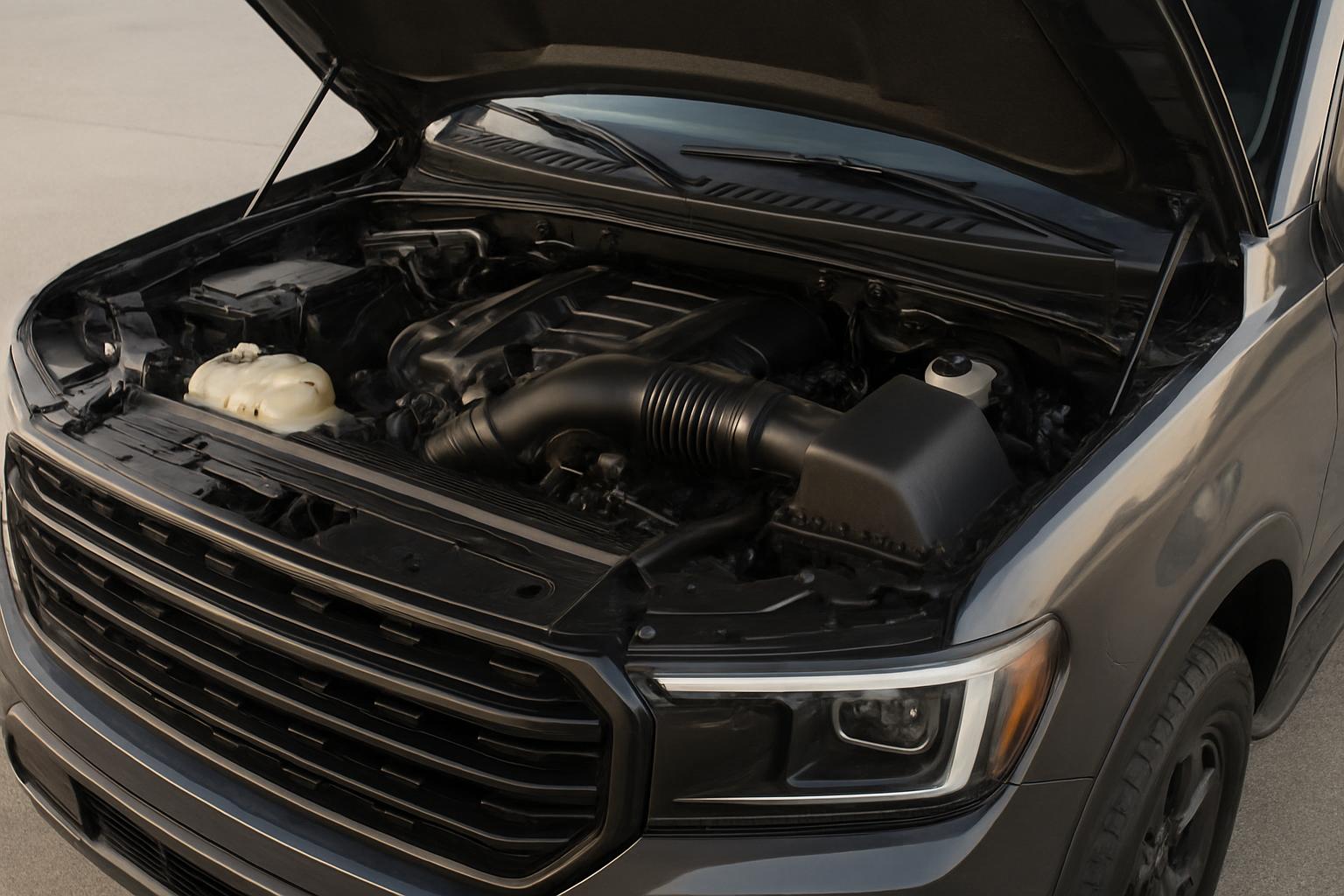
For 2027, Ford has not confirmed whether this engine or a revised variant will power the Timberline. No official horsepower, torque, or transmission details have been released. This leaves buyers without certainty on whether the 2027 model will maintain, improve, or reduce its power output and drivetrain sophistication.
Why is this important? Engine output directly affects towing and payload capacity, acceleration on highways, and the ability to maintain momentum on difficult terrain. The transmission’s gear ratios and shift logic also impact fuel efficiency and drivability.
Until official specs emerge, it is prudent to treat prior-generation powertrain details as informative context but not definitive. Buyers should monitor Ford’s announcements and request detailed powertrain data when evaluating 2027 Timberline 4X4 models in person.
Dimensions and Interior Space: Practical Considerations for Buyers
While off-road specs often take center stage for the Timberline, overall vehicle dimensions and interior measurements are equally consequential for daily usability and passenger comfort.
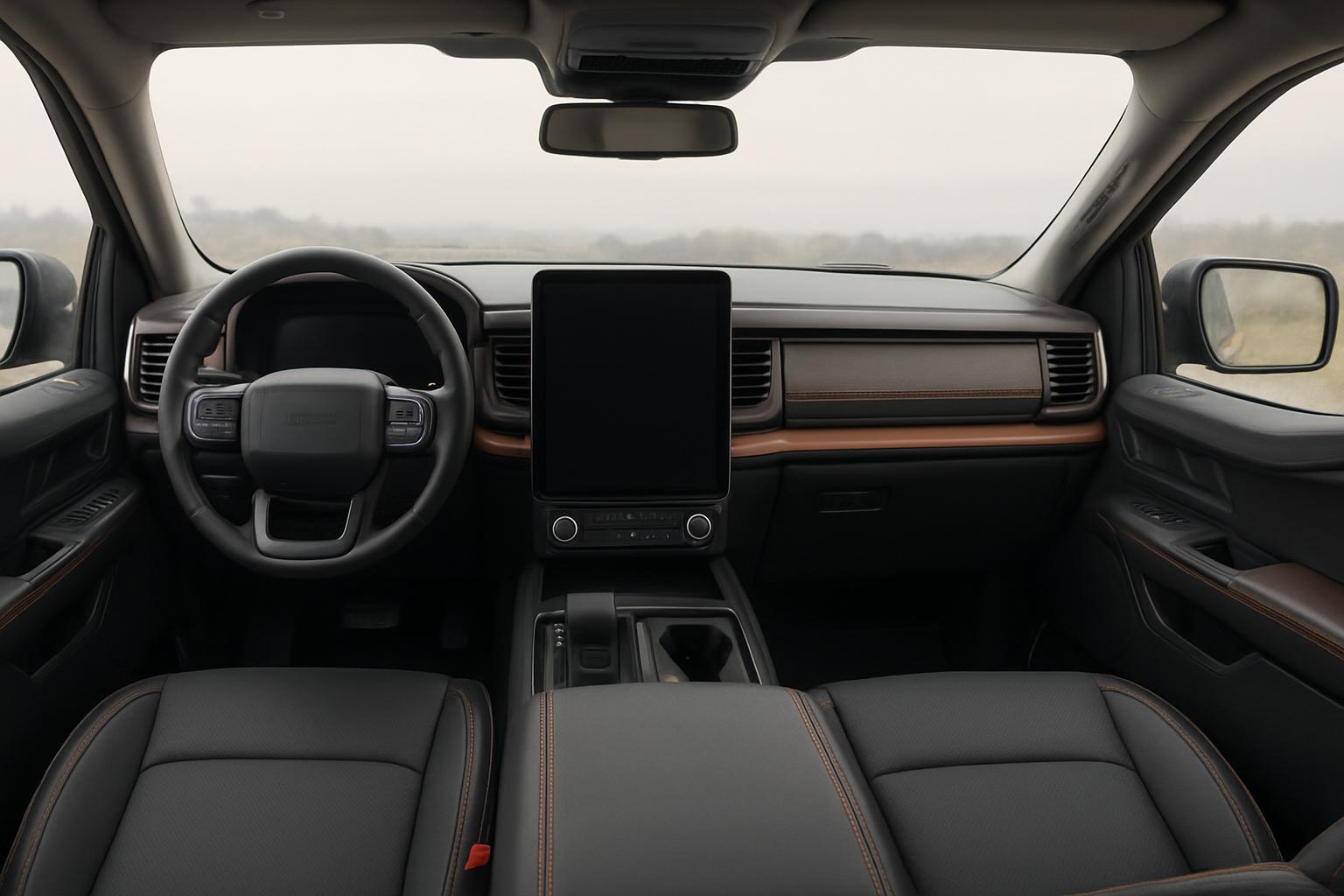
The previous Timberline measured roughly 210 inches in length with a wheelbase near 122 inches. Interior volume was generous, offering three rows of seating with ample legroom and cargo space behind the third row. However, these figures are from an earlier generation and do not establish the 2027 model’s exact dimensions.
Why verify these numbers? A longer wheelbase can improve ride stability but may reduce maneuverability on tight trails. Interior space affects passenger comfort during long trips and the ability to carry gear or luggage. Cargo volume behind the third row determines how much equipment fits without folding seats.
Without confirmed 2027 measurements, buyers should inspect the vehicle firsthand or consult detailed spec sheets once available. This ensures the Timberline meets their spatial needs without surprises.
Supporting Systems That Influence Capability
Beyond raw dimensions and engine output, the Timberline’s off-road and towing prowess depends on supporting systems such as suspension design, traction control, and braking.
Previous Timberline models featured upgraded suspension components tuned for rugged terrain, skid plates for underbody protection, and advanced 4X4 systems with terrain management modes. However, Ford has not disclosed whether the 2027 Timberline will retain these features or introduce new technology.
These systems materially affect how the vehicle handles off-road obstacles, maintains traction on slippery surfaces, and manages braking on steep descents. Buyers should seek confirmation of these features during the purchase process, as they can be decisive in real-world capability.
How to Navigate the Unknowns and Verify 2027 Timberline 4X4 Specs
With key specifications for the 2027 Ford Expedition Timberline 4X4 unconfirmed, buyers face a practical dilemma: how to assess capability without official data. The answer lies in a careful, evidence-based approach.
- Request detailed spec sheets from dealers: These should include ground clearance, approach/departure angles, engine output, towing capacity, and cargo volume.
- Compare to prior-generation models cautiously: Use earlier specs as a baseline but do not assume they carry over unchanged.
- Look for third-party measurements and early reviews: Independent sources often verify or clarify manufacturer claims.
- Test physical dimensions and features in person: Confirm interior space, visibility, and control layouts to ensure they meet your needs.
- Monitor official Ford communications: Updates on powertrain and capability specs often emerge closer to model launch.
Until then, buyers should avoid firm conclusions about the 2027 Timberline’s off-road or towing prowess and instead focus on verified data points and firsthand inspection.
Weighing Capability Against Practical Ownership
The 2027 Ford Expedition Timberline 4X4 promises a blend of rugged capability and full-size SUV utility, but the absence of confirmed specs demands careful scrutiny. For those prioritizing off-road clearance, engine power, and cargo flexibility, waiting for verified measurements is essential to avoid overestimating the vehicle’s true potential.
Conversely, buyers less focused on extreme terrain but seeking a spacious, well-equipped SUV may find the Timberline’s known features from prior models reassuring, provided they confirm the 2027 updates. The balance between capability and everyday comfort hinges on the precise specs that Ford will release.
In sum, the 2027 Ford Expedition Timberline 4X4 specs remain a work in progress. A cautious, evidence-first approach protects buyers from unsupported claims and ensures that their investment aligns with real-world needs and expectations.
For confirmed updates, consult Official Ford website and EPA fuel economy information. These resources do not confirm unannounced model-year details.
Additional Vehicle Images
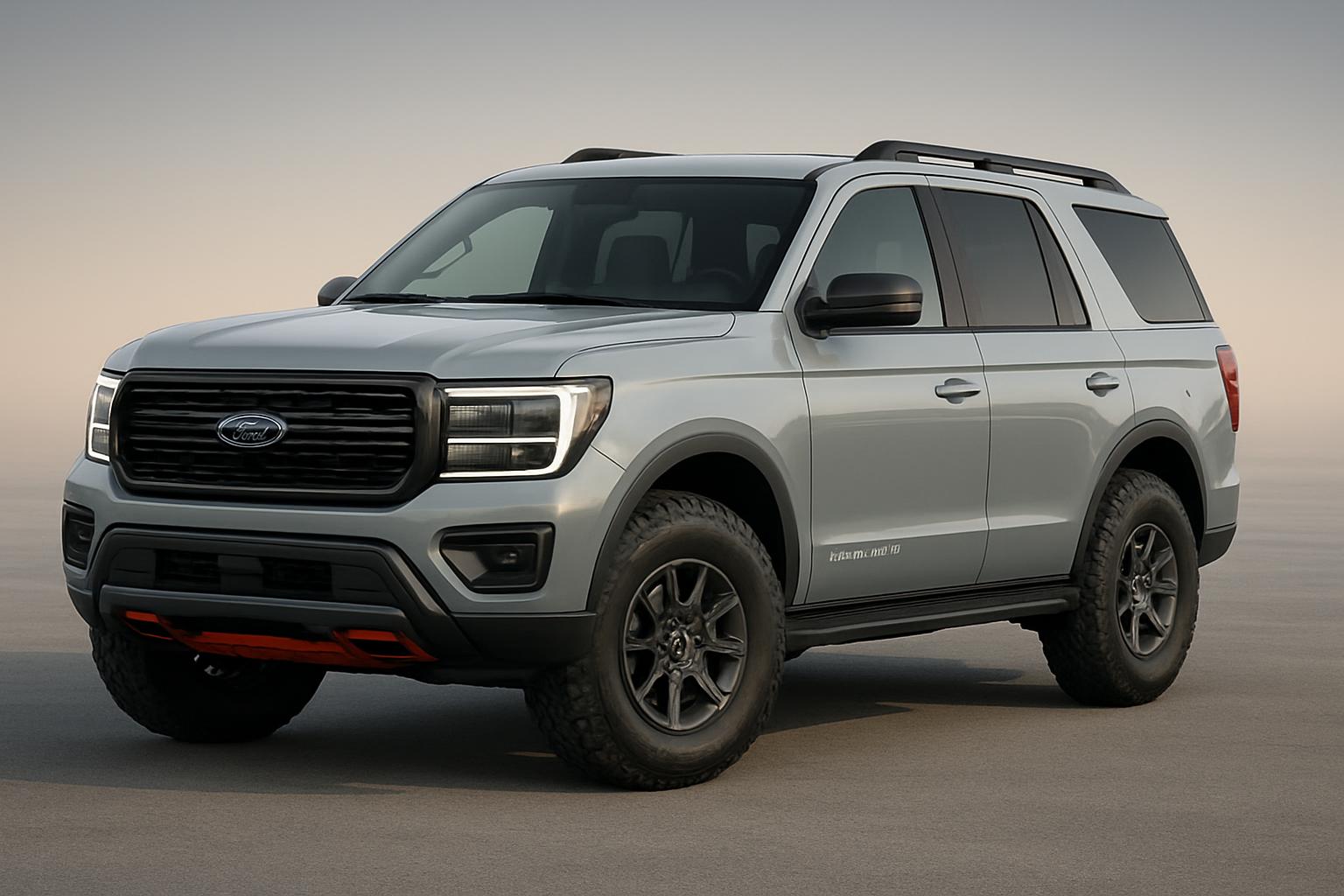
Ford Expedition — Compare With Previous Model Year
| EPA specification | 2027 | 2026 |
|---|---|---|
| Configurations | Expedition 2WD / Expedition 4WD | Expedition 2WD / Expedition 4WD |
| Powertrain | Gasoline / Gasoline | Gasoline / Gasoline |
| Engine displacement (L) | 3.5 | 3.5 |
| Cylinders | 6 | 6 |
| Transmission | Automatic (S10) | Automatic (S10) |
| Drivetrain | Rear-Wheel Drive / Part-time 4-Wheel Drive | Rear-Wheel Drive / Part-time 4-Wheel Drive |
| Fuel type | Regular | Regular |
| Primary fuel | Regular Gasoline | Regular Gasoline |
| City MPG | 16 / 15 | 16 / 15 |
| Highway MPG | 23 / 22 | 24 / 22 |
| Combined MPG | 18 | 19 / 18 |
| Annual fuel cost (USD) | 3350 | 3150 / 3350 |
| CO2 emissions (g/mile) | 481.0 / 502.0 | 474.0 / 501.0 |
Source: U.S. EPA vehicle data. Values separated by / follow the Configurations order for that model year. EPA IDs distinguish configurations sharing the same model label. Not Confirmed means no verified EPA value is available for that configuration and field.
Frequently Asked Questions
2027 Ford Expedition Timberline 4X4 Specs: What to Consider About Powertrain Performance - The 2027 Ford Expedition Timberline 4X4 arrives with a reputation for ruggedness, but what does that mean in concrete terms for buyers focused on specifications and real-world capability? Without official figures yet released for the…
Understanding the Core Off-Road Capability Metrics For a 4X4 SUV like the Ford Expedition Timberline, the first specifications to scrutinize are ground clearance, approach and departure angles, and drivetrain details. These measurements dictate where and how the vehicle can traverse challenging terrain without damage or getting stuck.
Unfortunately, Ford has not published verified 2027 model-year specs for the Timberline trim. The most recent previous-generation Timberline offered a ground clearance of approximately 10.6 inches, an approach angle near 30 degrees, and a departure angle around 23 degrees. While these numbers provide a useful frame of reference,…
Why do these numbers matter? Ground clearance determines the minimum height of obstacles the vehicle can clear without scraping the underbody. Approach and departure angles indicate how steep an incline or decline the vehicle can climb or descend without the bumpers contacting the ground. For buyers intending to…
Until Ford releases official 2027 Timberline 4X4 specs, prospective buyers should verify these key angles and clearance measurements during dealer visits or through trusted third-party sources. Relying on prior-generation numbers risks misjudging the vehicle’s true off-road readiness.