2027 Ford Escape AWD HEV Specs: How Cabin Comfort Could Shape Daily Use – When evaluating the 2027 Ford Escape AWD HEV specs, the first question is how its all-wheel-drive hybrid setup will translate into real-world urban maneuverability and utility. The balance between powertrain efficiency, vehicle dimensions, and cargo capacity directly impacts daily usability in city environments where parking tightness, traffic flow, and storage needs are constant considerations. While some specifications remain unconfirmed for the 2027 model, understanding what is verified and what remains to be seen helps frame expectations for this hybrid SUV’s practical capabilities.
Powertrain and AWD System: Verified Hybrid Architecture and Pending Output Details
The 2027 Ford Escape AWD HEV continues Ford’s commitment to hybrid technology paired with all-wheel drive, a configuration designed to optimize traction and fuel economy. The previous-generation Escape HEV combined a 2.5-liter four-cylinder Atkinson-cycle engine with an electric motor and a lithium-ion battery pack, delivering a combined system output around 200 horsepower. This setup enabled AWD functionality through an electric motor powering the rear wheels independently, improving grip without mechanical complexity.
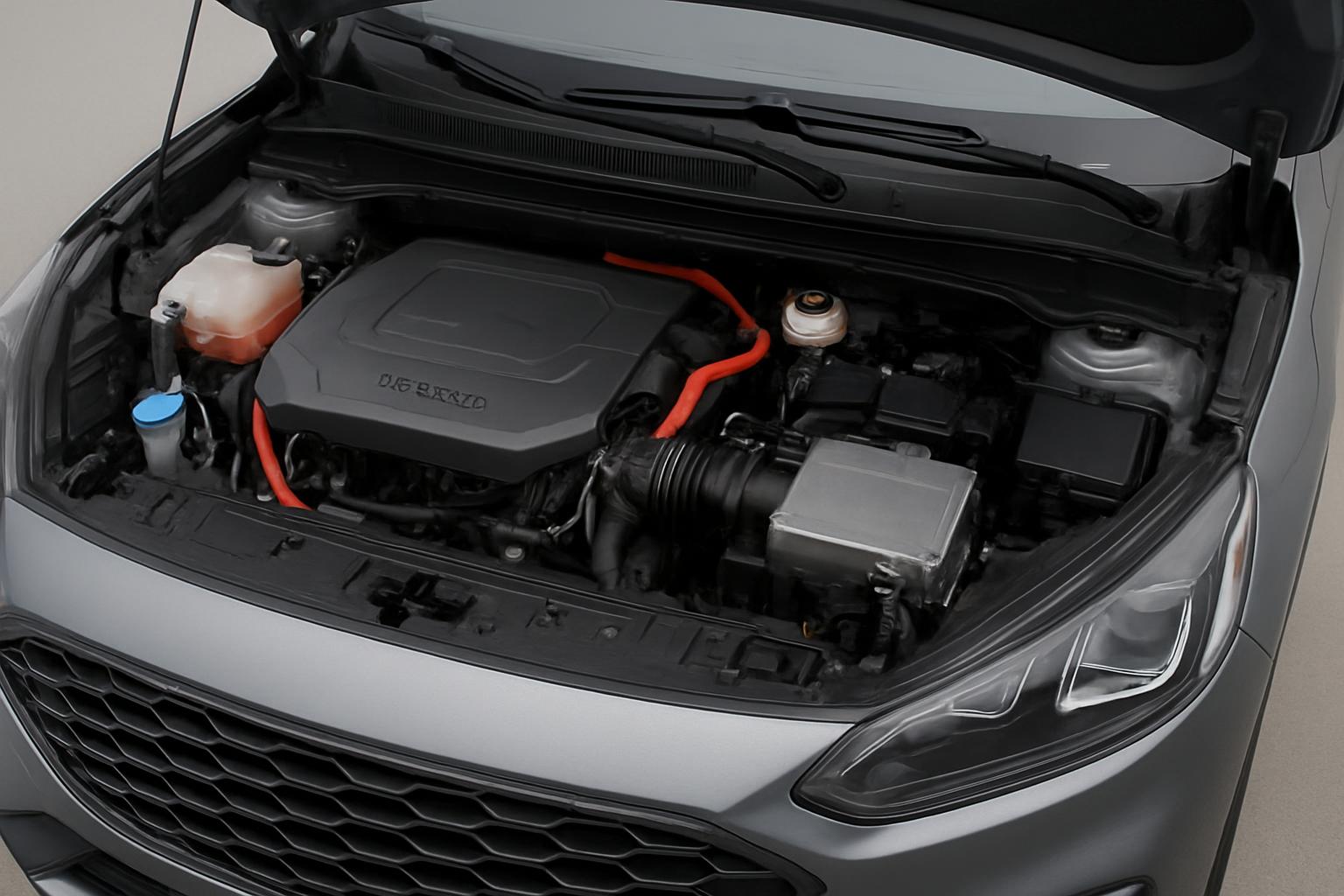
For the 2027 model, Ford has confirmed the continuation of the hybrid AWD architecture but has not released exact horsepower, torque, or battery capacity figures. This leaves a critical verification gap: prospective buyers must watch for official powertrain output numbers to assess acceleration, hill-climbing ability, and energy efficiency improvements. These figures matter because they influence how confidently the Escape can handle urban inclines, quick merging, and stop-and-go traffic without sacrificing fuel economy.
Until official numbers emerge, it’s reasonable to expect incremental improvements in electric motor efficiency and battery management, given industry trends and Ford’s electrification goals. However, without confirmed specs, assumptions about significant power gains or extended electric-only range remain speculative.
Exterior Dimensions and Urban Parking: What Fits and What to Verify
One of the most tangible specs for city drivers is the vehicle’s footprint. The 2027 Escape AWD HEV’s exterior dimensions directly affect parking ease, garage compatibility, and traffic lane navigation. The current-generation Escape measures approximately 180 inches in length and 74 inches in width, dimensions that strike a balance between interior space and urban agility.
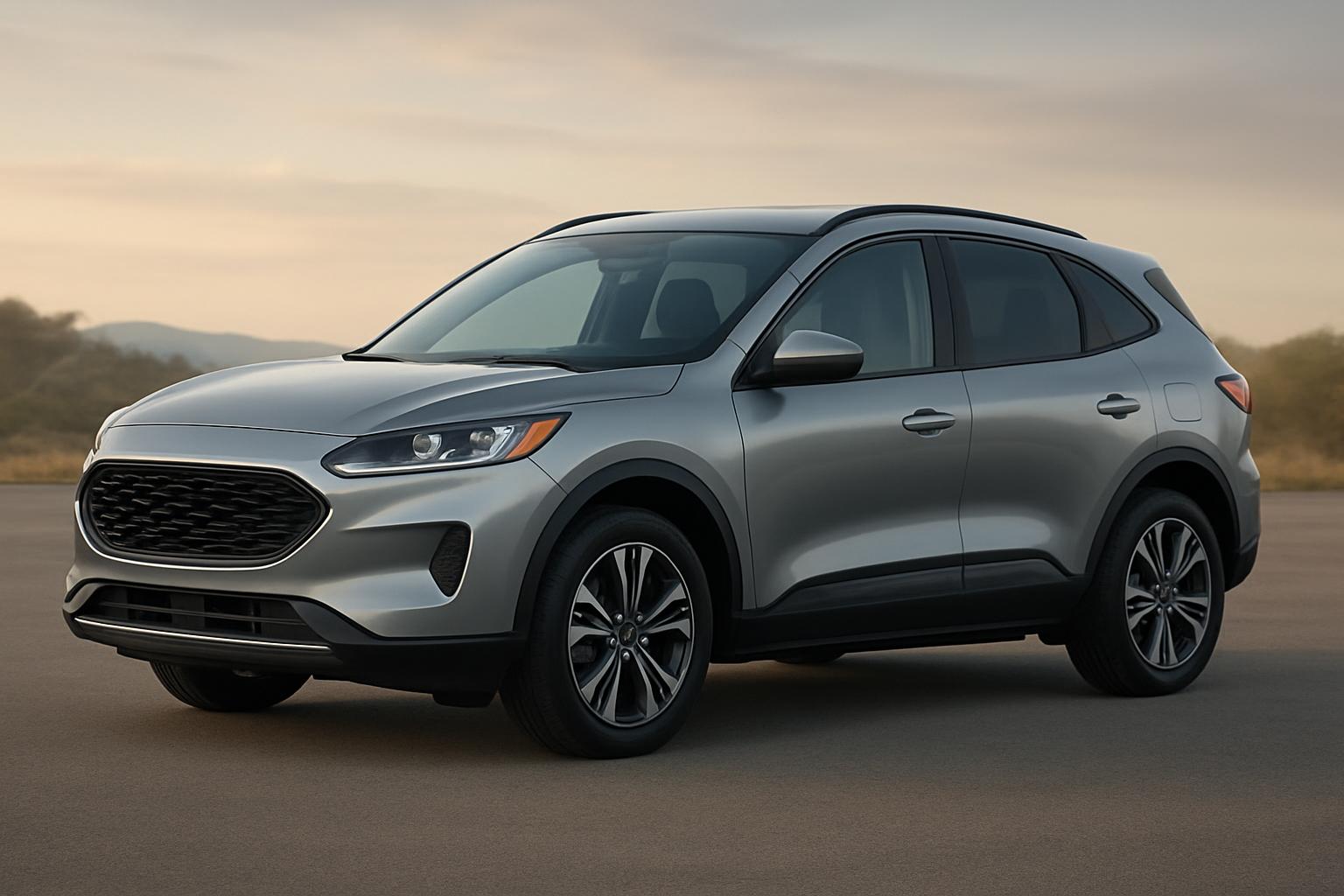
Ford has not published updated exterior measurements for the 2027 model. Buyers should verify length, width, and height figures upon release, as even small changes can influence the vehicle’s ability to fit into tight parallel parking spots or narrow city streets. For example, a slight increase in width could complicate maneuvering in congested areas or multi-level parking garages.
Additionally, ground clearance is a practical spec to watch. The AWD system typically raises clearance slightly compared to front-wheel-drive variants, aiding in navigating uneven pavement or occasional urban obstacles like speed bumps and curbs. Confirming the precise clearance will help buyers understand the Escape’s suitability for mixed urban-suburban terrain.
Interior Space and Cargo Capacity: Balancing Passenger Comfort with Practical Storage
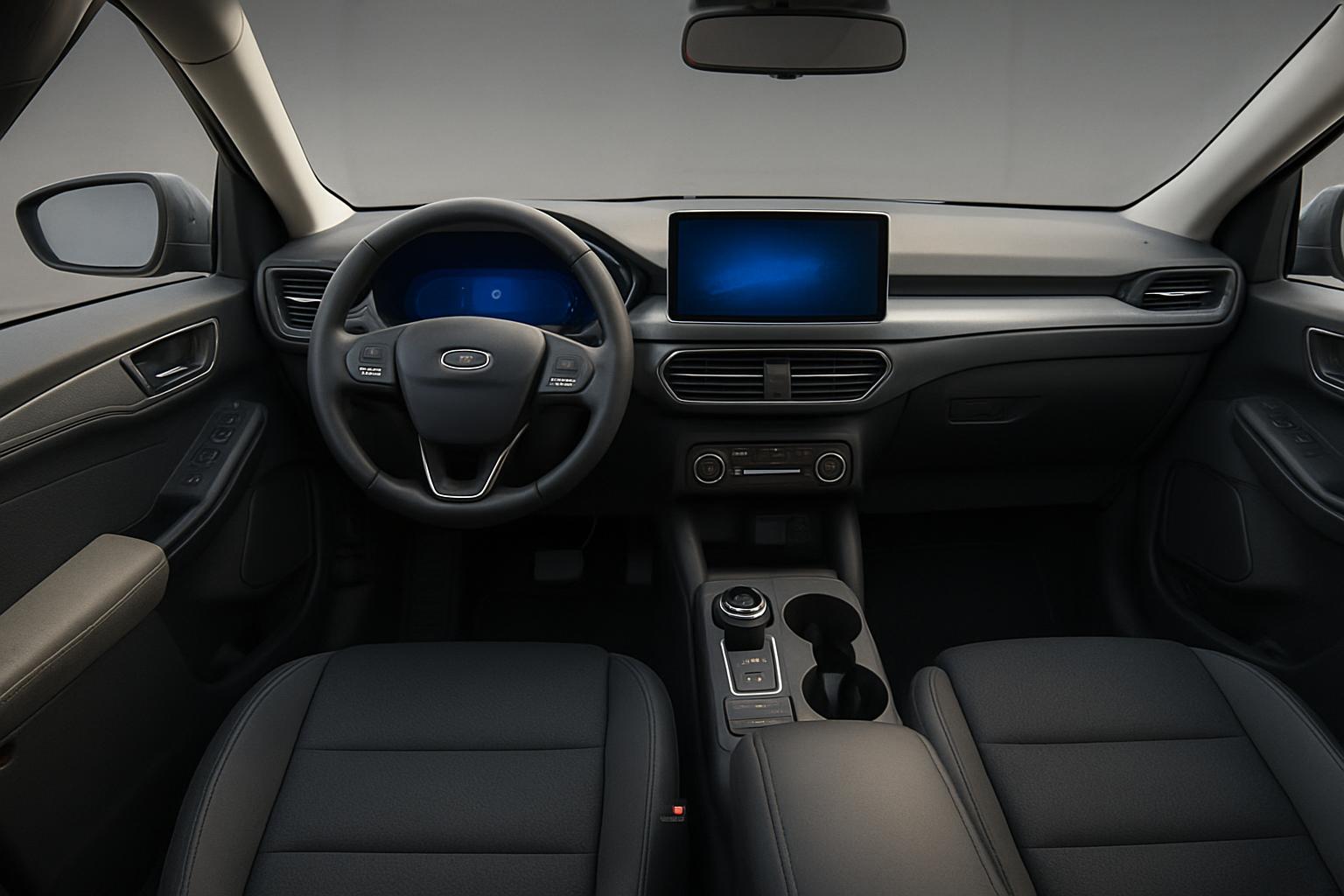
Inside, the Escape’s cabin dimensions and cargo volume define its utility for daily errands, grocery runs, and weekend gear hauling. The previous generation offered about 37.5 cubic feet of cargo space behind the rear seats and up to 65.4 cubic feet with the rear seats folded. These figures provided a competitive edge in the compact SUV segment, especially for buyers who prioritize flexible storage without upsizing to a larger vehicle.
For the 2027 AWD HEV, interior volume specifications have not been disclosed. Buyers should check for any changes in rear-seat legroom, headroom, and cargo space, as modifications to battery placement or AWD components can sometimes reduce usable interior volume. The packaging of hybrid components often requires creative engineering to preserve cabin space, but this is not guaranteed without official data.
Moreover, the design of cargo area access—such as tailgate height and opening width—affects loading ease in urban settings where tight parking spots may restrict maneuvering space. Confirming these details will clarify how well the Escape adapts to real-world city logistics.
Fuel Economy and Emissions: Pending Official Ratings with Urban Efficiency in Mind
Fuel efficiency remains a cornerstone of hybrid appeal, especially in stop-and-go city traffic where traditional engines struggle. The previous Escape AWD HEV achieved EPA ratings in the mid-40s mpg combined, a strong figure for an AWD SUV. However, the 2027 model’s official fuel economy ratings have yet to be released.
Prospective buyers should look for EPA or equivalent certifications upon availability, focusing on combined, city, and highway figures. The city rating is particularly crucial since urban drivers benefit most from hybrid regenerative braking and electric motor assistance at low speeds. Without these verified numbers, it’s difficult to quantify the Escape’s cost of ownership or environmental impact accurately.
Why Verification Matters: Navigating the Unknowns Before Purchase
Given the gaps in confirmed 2027 Ford Escape AWD HEV specs, the prudent approach is to prioritize official releases from Ford or trusted automotive authorities. Key specs to verify include powertrain output, exterior dimensions, interior volume, cargo capacity, and fuel economy ratings. These numbers directly influence how well the Escape fits into an urban lifestyle, from parking and maneuvering to daily driving costs and cargo needs.
Until then, urban drivers should consider how the previous-generation Escape’s specs aligned with their priorities and watch for announcements that clarify any dimensional changes or powertrain upgrades. Dealerships and official Ford communications will be the primary sources for the most accurate and up-to-date information.
Supporting Systems That Affect AWD Hybrid Capability
While the core specs dominate the decision-making process, supporting systems like the Escape’s traction control, regenerative braking, and driver-assist technologies materially influence the AWD HEV’s urban performance. These systems help optimize power delivery, maintain stability on slick city streets, and enhance energy recapture during frequent stops.
For the 2027 model, details on updates to these systems have not been confirmed. Buyers should check whether Ford has introduced enhancements to the AWD system’s responsiveness or integrated new software for energy management, as these can improve the vehicle’s real-world efficiency and handling without altering headline specs.
Final Thoughts: Who Benefits from the 2027 Ford Escape AWD HEV Specs and Who Should Wait
Urban drivers seeking a compact SUV with hybrid efficiency and AWD traction will find the Escape’s concept appealing, provided the 2027 specs maintain or improve upon previous-generation strengths. Those prioritizing tight parking, manageable exterior dimensions, and flexible cargo space should confirm the exact measurements before committing.
Conversely, buyers needing precise power output or fuel economy figures for budgeting or performance expectations should await official data. The absence of confirmed specs means that assumptions based on prior models carry risk, especially as hybrid technology and urban mobility demands evolve rapidly.
In sum, the 2027 Ford Escape AWD HEV presents a promising package for city-centric drivers, but verification of its core specifications remains essential to fully understand its capability and suitability for everyday urban challenges.
For confirmed updates, consult Official Ford website and EPA fuel economy information. These resources do not confirm unannounced model-year details.
Ford Escape — Compare With Previous Model Year
| EPA specification | 2027 | 2026 |
|---|---|---|
| Configurations | Not Confirmed | Escape AWD (EPA #49849) / Escape AWD (EPA #49850) / Escape FWD / Escape FWD PHEV |
| Powertrain | Not Confirmed | Gasoline / Gasoline / Gasoline / PHEV |
| Engine displacement (L) | Not Confirmed | 2.0 / 1.5 / 1.5 / 2.5 |
| Cylinders | Not Confirmed | 4 / 3 / 3 / 4 |
| Transmission | Not Confirmed | Automatic 8-spd / Automatic 8-spd / Automatic 8-spd / Automatic (variable gear ratios) |
| Drivetrain | Not Confirmed | All-Wheel Drive / All-Wheel Drive / Front-Wheel Drive / Front-Wheel Drive |
| Fuel type | Not Confirmed | Regular / Regular / Regular / Regular Gas and Electricity |
| Primary fuel | Not Confirmed | Regular Gasoline |
| Alternative-fuel type | Not Confirmed | Not Confirmed / Not Confirmed / Not Confirmed / Plug-in Hybrid |
| City MPG | Not Confirmed | 23 / 26 / 27 / 42 |
| Highway MPG | Not Confirmed | 31 / 32 / 34 / 37 |
| Combined MPG | Not Confirmed | 26 / 28 / 30 / 40 |
| City MPGe | Not Confirmed | Not Confirmed / Not Confirmed / Not Confirmed / 30.0 |
| Highway MPGe | Not Confirmed | Not Confirmed / Not Confirmed / Not Confirmed / 37.0 |
| Combined MPGe | Not Confirmed | Not Confirmed / Not Confirmed / Not Confirmed / 33.0 |
| EPA range (miles) | Not Confirmed | Not Confirmed / Not Confirmed / Not Confirmed / 520 |
| Annual fuel cost (USD) | Not Confirmed | 2300 / 2150 / 2000 / 1500 |
| CO2 emissions (g/mile) | Not Confirmed | 342.0 / 317.0 / 298.0 / 222.0 |
Source: U.S. EPA vehicle data. Values separated by / follow the Configurations order for that model year. EPA IDs distinguish configurations sharing the same model label. Not Confirmed means no verified EPA value is available for that configuration and field.
Frequently Asked Questions
2027 Ford Escape AWD HEV Specs: How Cabin Comfort Could Shape Daily Use - When evaluating the 2027 Ford Escape AWD HEV specs, the first question is how its all-wheel-drive hybrid setup will translate into real-world urban maneuverability and utility. The balance between powertrain efficiency, vehicle dimensions, and…
Powertrain and AWD System: Verified Hybrid Architecture and Pending Output Details The 2027 Ford Escape AWD HEV continues Ford’s commitment to hybrid technology paired with all-wheel drive, a configuration designed to optimize traction and fuel economy. The previous-generation Escape HEV combined a 2.5-liter four-cylinder Atkinson-cycle engine with an…
For the 2027 model, Ford has confirmed the continuation of the hybrid AWD architecture but has not released exact horsepower, torque, or battery capacity figures. This leaves a critical verification gap: prospective buyers must watch for official powertrain output numbers to assess acceleration, hill-climbing ability, and energy efficiency…
Until official numbers emerge, it’s reasonable to expect incremental improvements in electric motor efficiency and battery management, given industry trends and Ford’s electrification goals. However, without confirmed specs, assumptions about significant power gains or extended electric-only range remain speculative.
Exterior Dimensions and Urban Parking: What Fits and What to Verify One of the most tangible specs for city drivers is the vehicle’s footprint. The 2027 Escape AWD HEV’s exterior dimensions directly affect parking ease, garage compatibility, and traffic lane navigation. The current-generation Escape measures approximately 180 inches…