2028 Volvo S60 Specs: Understanding Cabin Comfort Before You Buy – Does the 2028 Volvo S60 maintain the mechanical and dimensional integrity that has defined its lineage, or will it diverge into uncharted territory? The question matters because specifications are the backbone of any automotive purchase decision. For the 2028 model year, the Volvo S60’s specs remain largely unconfirmed, but by examining the heritage and documented data from previous generations, we can frame what buyers should verify and why these figures matter in real-world use.
Powertrain and Performance: What’s Confirmed and What Isn’t
Volvo’s recent S60 models have leaned heavily on turbocharged and supercharged four-cylinder engines, often paired with mild-hybrid systems or plug-in hybrids. The previous generation offered variants ranging from a 250-horsepower T5 to a 415-horsepower Polestar Engineered version. These powertrains balanced performance with efficiency, a hallmark of Volvo’s approach.
For the 2028 Volvo S60, no official engine or power output figures have been released. This absence is critical because engine specs directly affect acceleration, towing capacity, and fuel economy—key factors for ownership practicality. Buyers should look for confirmation on whether Volvo continues with internal combustion engines, hybrid systems, or transitions fully to electric powertrains. Each choice carries distinct implications:
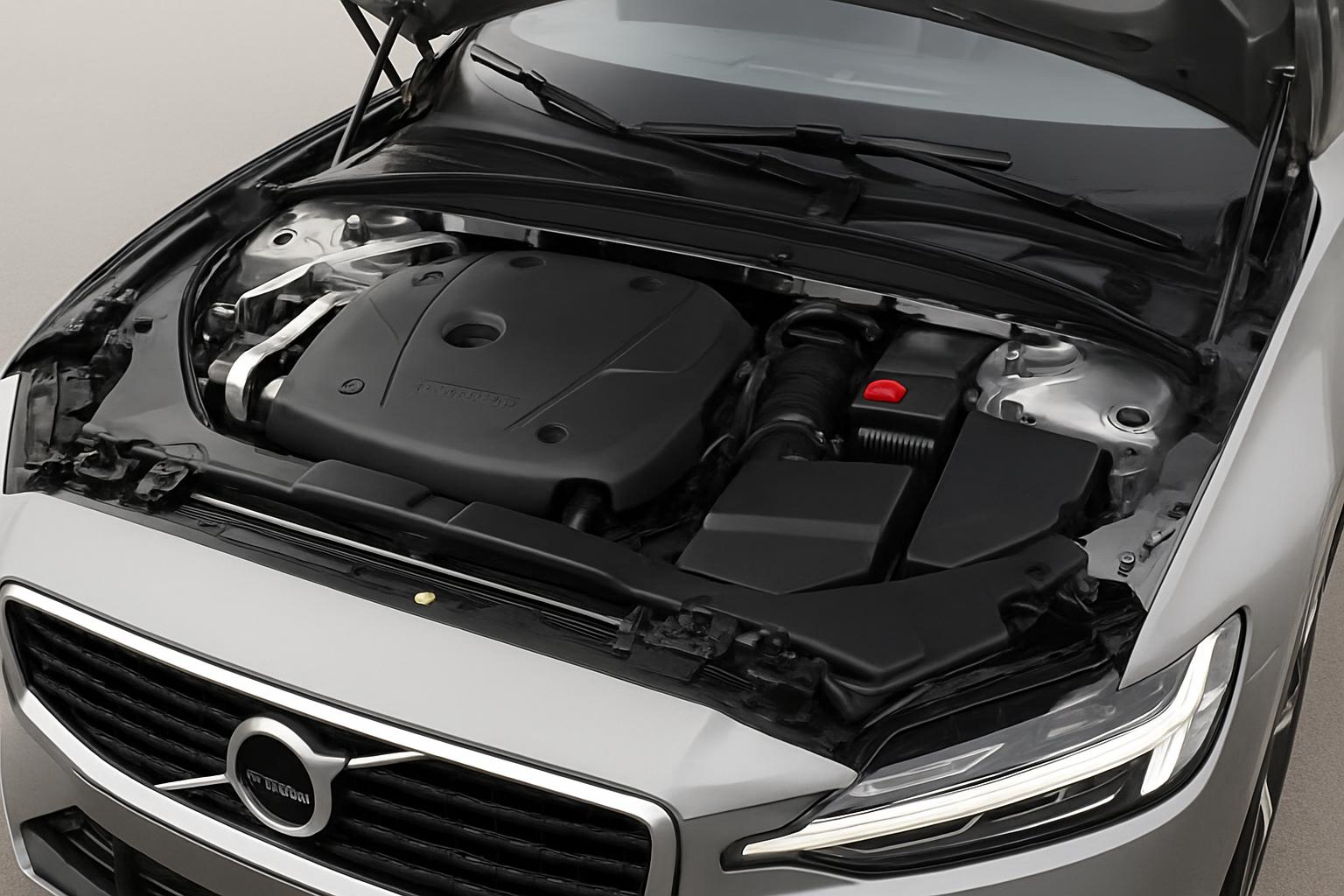
- Internal Combustion Engines (ICE): Retaining turbocharged four-cylinders would preserve known maintenance patterns and fuel economy expectations.
- Hybrid Variants: Could offer improved efficiency and torque delivery but may add complexity and cost.
- Electric Powertrains: Would radically change performance metrics and ownership considerations, including charging infrastructure and range.
Until Volvo releases verified 2028 powertrain specs, prospective buyers must treat any rumored horsepower or torque figures with skepticism. The practical takeaway is to monitor official announcements closely, as powertrain choices will dictate the S60’s suitability for daily driving, spirited performance, or long-distance travel.
Dimensions and Packaging: Practical Effects of Size and Space
Vehicle dimensions influence everything from parking ease to cabin comfort and cargo capacity. The previous generation Volvo S60 measured approximately 187 inches in length with a wheelbase near 112 inches. These dimensions positioned it squarely in the compact executive sedan segment, offering a balance between maneuverability and interior space.
For 2028, no verified exterior or interior dimensions are available. This gap leaves open several questions that materially affect ownership:
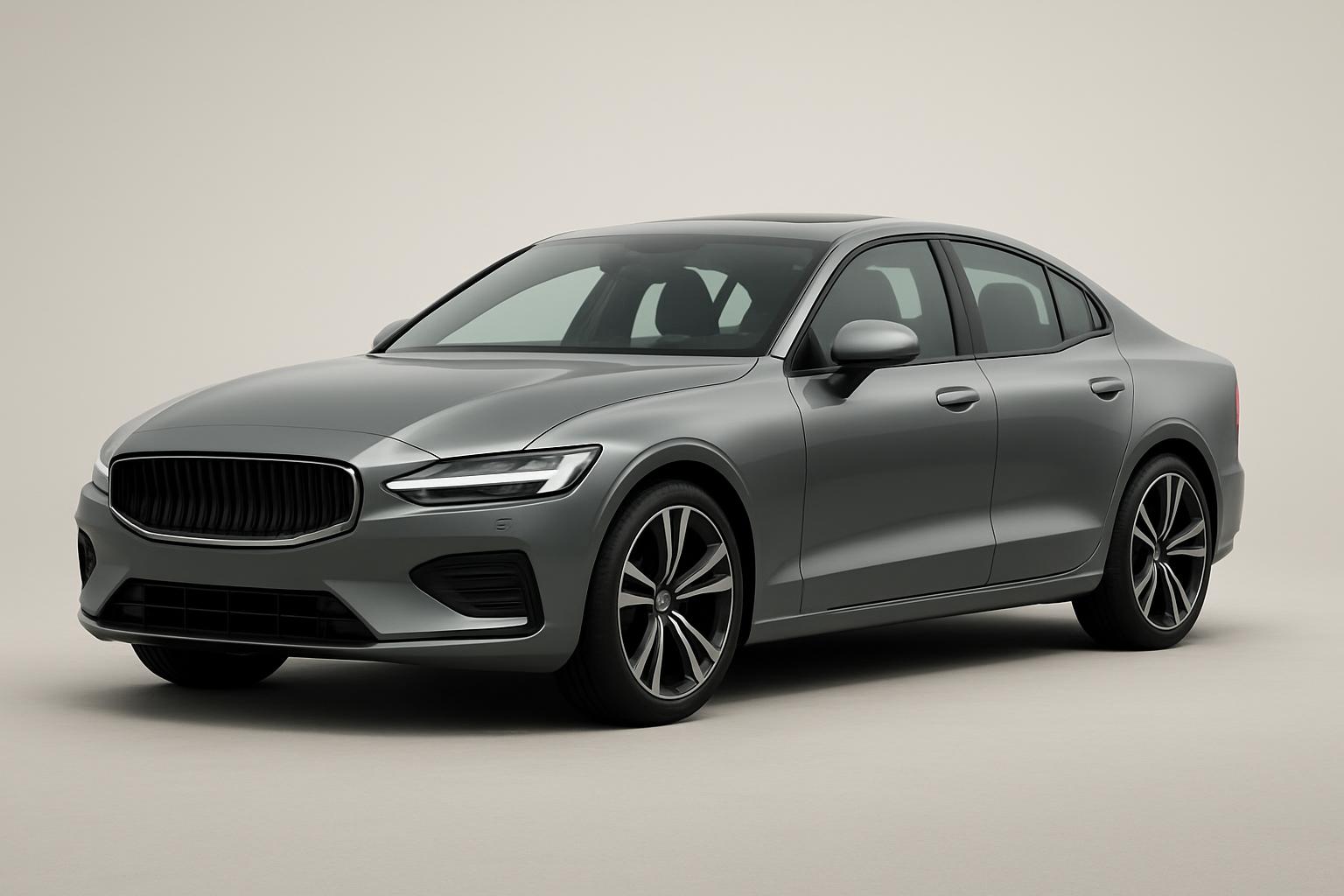
- Length and Width: Changes here impact garage fit and urban usability.
- Wheelbase: A longer wheelbase generally improves rear-seat legroom and ride quality.
- Height and Ground Clearance: Affect visibility and ease of entry, as well as potential for light off-road use or rough road handling.
Without confirmed specs, buyers should consider measuring or test-fitting any new model physically before purchase. Even subtle dimensional shifts can alter the S60’s practical footprint, influencing daily usability.
Interior Features and Cabin Space: Beyond Numbers
While exact cabin dimensions for the 2028 S60 remain unverified, previous models have been praised for their minimalist Scandinavian design, quality materials, and driver-focused ergonomics. The rear seat space and cargo volume have been competitive but not class-leading, reflecting a compromise between style and utility.
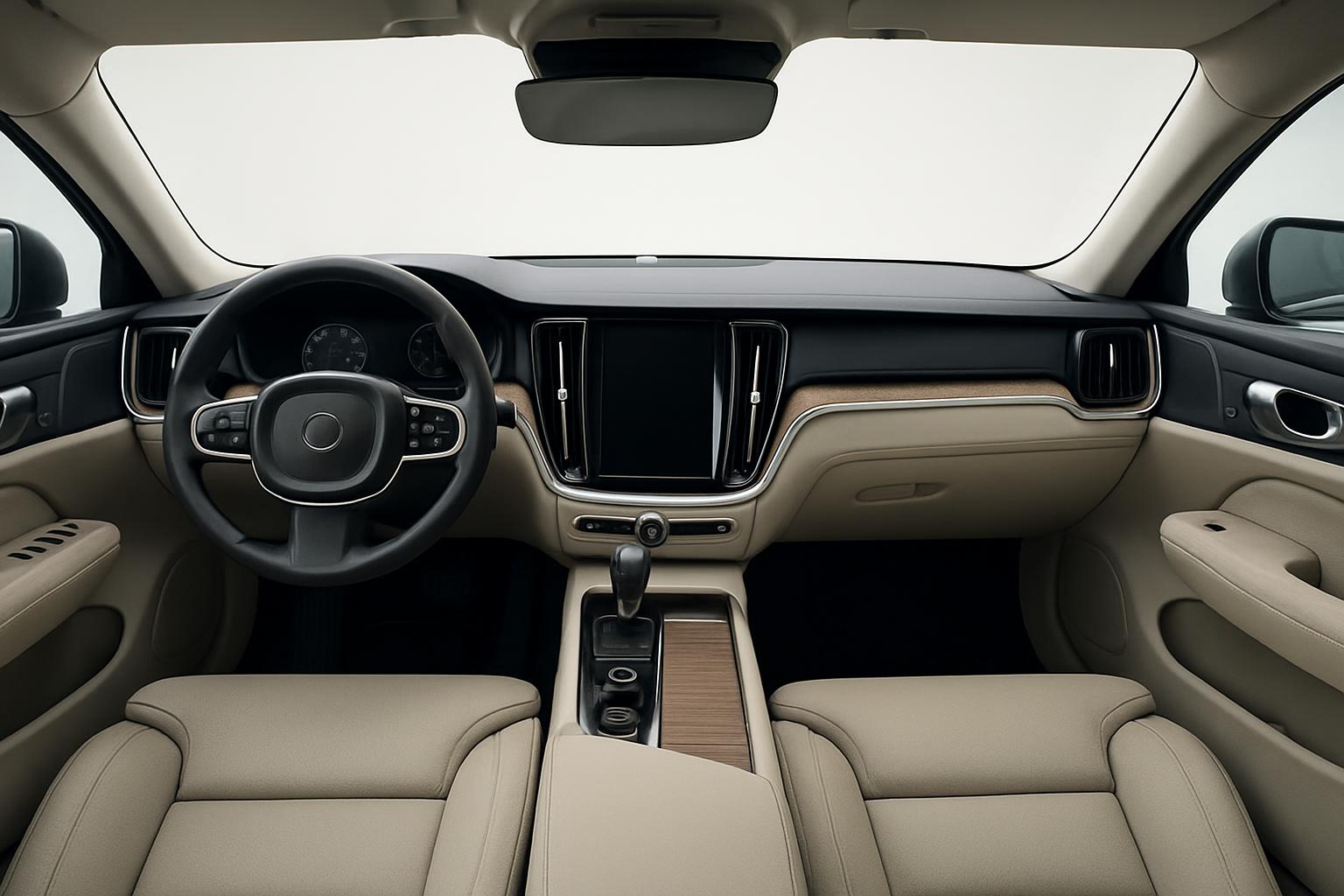
For the 2028 iteration, the key question is whether Volvo will enhance interior space or technology in ways that affect passenger comfort and usability. For example, changes in dashboard layout, infotainment system responsiveness, or seat adjustability can matter as much as raw legroom numbers.
Buyers should verify:
- Actual rear-seat legroom and headroom, especially if carrying adults regularly.
- Trunk volume and shape, which affect the ease of loading and the size of cargo items.
- Material quality and feature availability, since these influence long-term satisfaction and resale value.
Given the lack of official 2028 cabin specs, prospective owners would benefit from direct inspection or waiting for detailed reviews once the model is available.
Safety and Driver Assistance Systems: Specs That Affect Confidence
Volvo’s reputation for safety is well established, with previous S60 models featuring advanced driver assistance systems (ADAS) like adaptive cruise control, lane-keeping assist, and collision mitigation. While these are not traditional “specifications” in the mechanical sense, their presence and capability materially affect the vehicle’s operational envelope and ownership experience.
No confirmed details exist for the 2028 S60’s safety tech suite, but buyers should prioritize verification of:
- Standard versus optional ADAS features.
- Updates in sensor technology or software that could improve reliability or expand functionality.
- Crash test ratings once available, as these remain a critical benchmark.
These systems influence not only safety but also driver fatigue and convenience, thereby shaping the practical value of the S60 beyond raw numbers.
Why Verification Matters: Avoiding Assumptions in a Changing Landscape
The automotive world is in flux, with rapid advances in electrification, connectivity, and autonomous features. The 2028 Volvo S60 sits at an intersection where legacy mechanical design meets emerging technologies. Without confirmed specifications, assumptions risk misinforming buyers about performance, space, and capability.
For example, assuming the 2028 S60 retains the same engine options as the previous generation ignores potential shifts toward electrification. Similarly, expecting identical dimensions overlooks the possibility of platform updates or design refreshes that alter packaging.
Practical ownership hinges on these details. Fuel economy, maintenance costs, parking ease, passenger comfort, and safety all depend on accurate, model-year-specific specs. Buyers should seek official Volvo communications, trusted automotive press releases, and hands-on reviews once the 2028 S60 is publicly available.
In the meantime, understanding the previous generation’s documented specs provides a valuable baseline but not a definitive forecast. The heritage of the S60 suggests a commitment to balanced performance and safety, but the 2028 model’s precise specifications remain to be seen.
Fuel Economy and Emissions: Critical Metrics for Ownership Costs
Fuel economy figures are among the most tangible specs influencing long-term ownership costs and environmental impact. The last known S60 models offered a range of fuel efficiency depending on powertrain choice, with turbocharged four-cylinder engines typically delivering respectable mileage in both city and highway driving. However, the 2028 Volvo S60’s fuel economy ratings remain undisclosed, leaving a significant gap in evaluating its practical value.
Prospective buyers should focus on the following verification points once data becomes available:
- EPA or equivalent fuel economy ratings: These provide standardized benchmarks for comparing the S60 against competitors and previous models.
- Real-world versus rated efficiency: Historical data shows that hybrid variants often close the gap between rated and actual mileage, but this can vary widely.
- Emissions standards compliance: With tightening global regulations, confirming that the 2028 S60 meets or exceeds relevant emissions requirements is essential for future-proofing ownership.
Without these figures, assumptions about running costs and environmental footprint remain speculative. Given Volvo’s recent emphasis on sustainability, any deviation from prior efficiency standards would be notable and should be scrutinized carefully.
Chassis and Suspension: Foundations of Ride and Handling
The mechanical underpinnings of the S60 have historically balanced comfort with agile handling, employing independent suspension setups and chassis tuning that reflect Volvo’s Scandinavian engineering ethos. While the 2028 model’s chassis specifications are not yet public, understanding what to verify can clarify expectations for ride quality and durability.
Key areas to examine include:
- Suspension architecture: Whether Volvo maintains MacPherson struts up front and multi-link rear suspension or opts for new configurations affects handling dynamics and maintenance complexity.
- Chassis rigidity and materials: Advances in lightweight materials or structural reinforcements can improve safety and driving precision but may impact repair costs.
- Adaptive or adjustable suspension availability: Such features influence comfort customization and performance versatility.
These specs are not mere technical trivia; they shape how the S60 feels on the road and how it responds to real-world driving conditions. Until confirmed, owners should treat any claims about ride or handling improvements with caution.
Infotainment and Connectivity: Balancing Innovation with Usability
The S60’s cabin tech has evolved steadily, integrating touchscreen interfaces, smartphone compatibility, and voice controls. However, the 2028 model’s infotainment specifications remain unverified, raising questions about system responsiveness, feature set, and user interface design.
Buyers should verify:
- Processor speed and software platform: These determine how smoothly the system operates and how future-proof it is for updates.
- Connectivity options: Including wireless Apple CarPlay, Android Auto, and integrated navigation capabilities.
- Audio system quality: Speaker count, amplifier power, and brand partnerships affect in-cabin experience.
Given the increasing role of infotainment in daily driving satisfaction, these specs materially affect ownership beyond traditional mechanical considerations. Without official details, assumptions about the 2028 S60’s tech prowess remain tentative.
For confirmed updates, consult Official Volvo website and EPA fuel economy information. These resources do not confirm unannounced model-year details.
Volvo S60 — Compare With Previous Model Year
| EPA specification | 2028 | 2027 |
|---|---|---|
| Configurations | Not Confirmed | Not Confirmed |
| Powertrain | Not Confirmed | Not Confirmed |
U.S. EPA verified comparison is currently unavailable for this article. No specifications have been inferred.
Frequently Asked Questions
2028 Volvo S60 Specs: Understanding Cabin Comfort Before You Buy - Does the 2028 Volvo S60 maintain the mechanical and dimensional integrity that has defined its lineage, or will it diverge into uncharted territory? The question matters because specifications are the backbone of any automotive purchase decision. For…
Powertrain and Performance: What’s Confirmed and What Isn’tVolvo’s recent S60 models have leaned heavily on turbocharged and supercharged four-cylinder engines, often paired with mild-hybrid systems or plug-in hybrids. The previous generation offered variants ranging from a 250-horsepower T5 to a 415-horsepower Polestar Engineered version. These powertrains balanced performance…
For the 2028 Volvo S60, no official engine or power output figures have been released. This absence is critical because engine specs directly affect acceleration, towing capacity, and fuel economy—key factors for ownership practicality. Buyers should look for confirmation on whether Volvo continues with internal combustion engines, hybrid…
Internal Combustion Engines (ICE): Retaining turbocharged four-cylinders would preserve known maintenance patterns and fuel economy expectations.Hybrid Variants: Could offer improved efficiency and torque delivery but may add complexity and cost.Electric Powertrains: Would radically change performance metrics and ownership considerations, including charging infrastructure and range.Until Volvo releases verified 2028…
Dimensions and Packaging: Practical Effects of Size and SpaceVehicle dimensions influence everything from parking ease to cabin comfort and cargo capacity. The previous generation Volvo S60 measured approximately 187 inches in length with a wheelbase near 112 inches. These dimensions positioned it squarely in the compact executive sedan…