2028 Toyota Camry HEV AWD LE Specs: The Practical Side of Fuel Efficiency – Deciding between a hybrid sedan with all-wheel drive and one without often boils down to two priorities: traction and efficiency. The 2028 Toyota Camry HEV AWD LE promises to blend hybrid fuel savings with the added grip of AWD, but what does that mean in concrete terms? Without official 2028 model specs released, understanding the potential capabilities and limitations requires a careful look at known Toyota hybrid technology, previous-generation data, and the specific factors that influence ownership suitability.
Powertrain and Drivetrain: What’s Confirmed and What Remains Unclear
The core of the 2028 Toyota Camry HEV AWD LE’s appeal lies in its hybrid all-wheel-drive system. Toyota’s recent AWD hybrid setups typically pair a gasoline engine driving the front wheels with an electric motor powering the rear axle. This arrangement provides on-demand rear-wheel torque without a mechanical driveshaft, improving traction in slippery conditions.
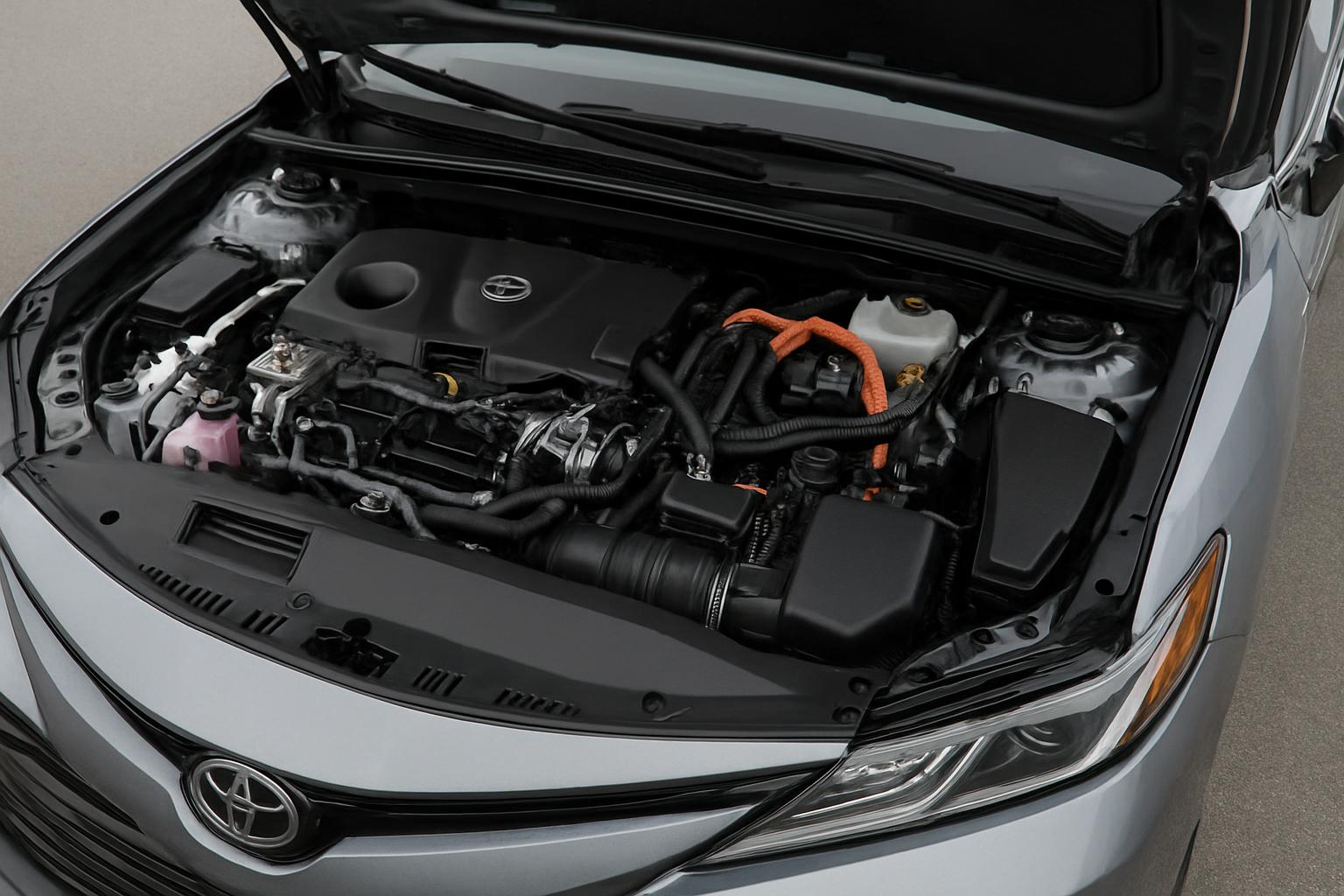
For the 2028 model, official power output figures have not been published. The previous-generation Camry Hybrid AWD LE used a 2.5-liter four-cylinder engine combined with electric motors to produce a system output around 208 horsepower. This powertrain balanced fuel economy and everyday responsiveness but was not designed for high-performance driving.
Buyers should verify whether the 2028 model continues with a similar hybrid system or adopts new battery technology or motor configurations. Changes here directly affect acceleration, fuel economy, and AWD capability. For example, a more powerful rear electric motor could improve off-the-line traction and hill climbing, while a larger battery might extend electric-only driving range.
Until Toyota releases detailed specs, potential owners must confirm the exact powertrain layout, horsepower, torque, and battery capacity. These numbers matter because they influence not just performance but also long-term ownership costs and driving experience in varied weather.
Fuel Economy and Efficiency: Balancing AWD Traction with Hybrid Savings
Hybrid sedans are often chosen for their fuel efficiency, but adding AWD can complicate that advantage. AWD systems add weight and mechanical complexity, which typically reduce fuel economy compared to front-wheel-drive hybrids.
For the 2028 Toyota Camry HEV AWD LE, no EPA fuel economy ratings are available yet. The previous-generation AWD hybrid Camry achieved EPA ratings in the mid-40s miles per gallon combined, slightly lower than its FWD counterpart. This difference is an important consideration for buyers prioritizing fuel savings over traction.
Understanding the trade-off between AWD capability and fuel economy is essential. Buyers who live in regions with frequent rain, snow, or icy roads may find the AWD system’s benefits outweigh the modest fuel economy penalty. Conversely, those in milder climates might prefer the FWD hybrid for maximum efficiency.
Prospective owners should watch for official fuel economy disclosures and compare them to their driving environment and priorities. This helps ensure the vehicle’s operating costs and driving range align with real-world needs.
Dimensions and Interior Space: Practical Impact on Daily Use
While the 2028 Toyota Camry HEV AWD LE’s exact exterior dimensions are unconfirmed, the Camry’s overall size has been stable across recent generations. The sedan typically measures around 192 inches in length with a wheelbase near 111 inches. These dimensions support comfortable seating for five adults and a trunk volume sufficient for everyday cargo.
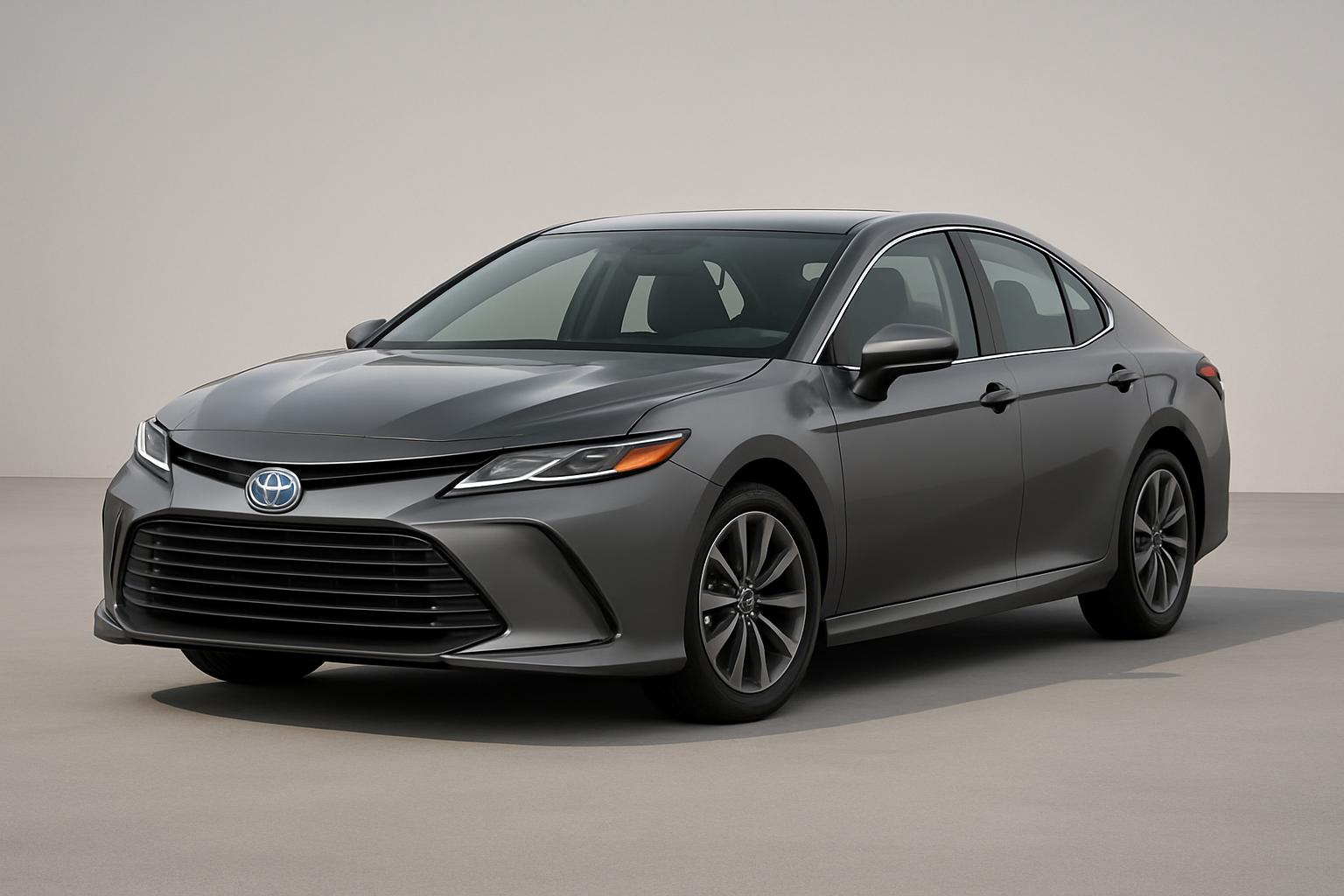
AWD systems sometimes require additional underfloor components or battery placement adjustments, which can affect interior packaging or trunk space. Previous Camry AWD hybrids maintained competitive cargo volume, but buyers should verify if the 2028 model’s AWD hardware impacts rear passenger legroom or trunk capacity.
For shoppers, these spatial considerations matter because they influence comfort and utility. A hybrid AWD sedan that compromises rear seat space or cargo volume may be less suitable for families or those who regularly carry gear.
Confirming interior measurements and cargo volume with official 2028 data will help buyers assess whether the Camry HEV AWD LE meets their daily space requirements.
Safety and Supporting Systems: Enhancing Capability Beyond Raw Specs
While the primary focus is on specs, the 2028 Toyota Camry HEV AWD LE’s safety and driver assistance features materially affect ownership suitability. Toyota’s Safety Sense suite, typically standard on Camry models, includes adaptive cruise control, lane-keeping assist, and automatic emergency braking.
AWD enhances stability on slippery roads, but electronic aids complement mechanical grip by managing throttle, braking, and steering inputs. The integration of AWD with advanced safety systems can improve confidence in challenging conditions, a key factor for buyers prioritizing all-weather capability.
Details on any updates to safety technology for the 2028 model remain unconfirmed. Buyers should verify the exact suite of active and passive safety features included with the LE trim to understand the full scope of driving aids and their impact on daily usability.
Ownership Suitability: Matching Specs to Real-World Needs
Choosing the 2028 Toyota Camry HEV AWD LE ultimately depends on how its specifications align with individual priorities. Buyers focused on maximizing fuel economy might lean toward the FWD hybrid, assuming the AWD variant carries a fuel penalty. Those requiring additional traction for winter or wet conditions will value the AWD system’s benefits despite potential efficiency trade-offs.
The absence of confirmed 2028 model specs means prospective owners should seek out official Toyota releases or dealer information before finalizing decisions. Key verification points include powertrain output, fuel economy ratings, interior dimensions, and safety feature availability.
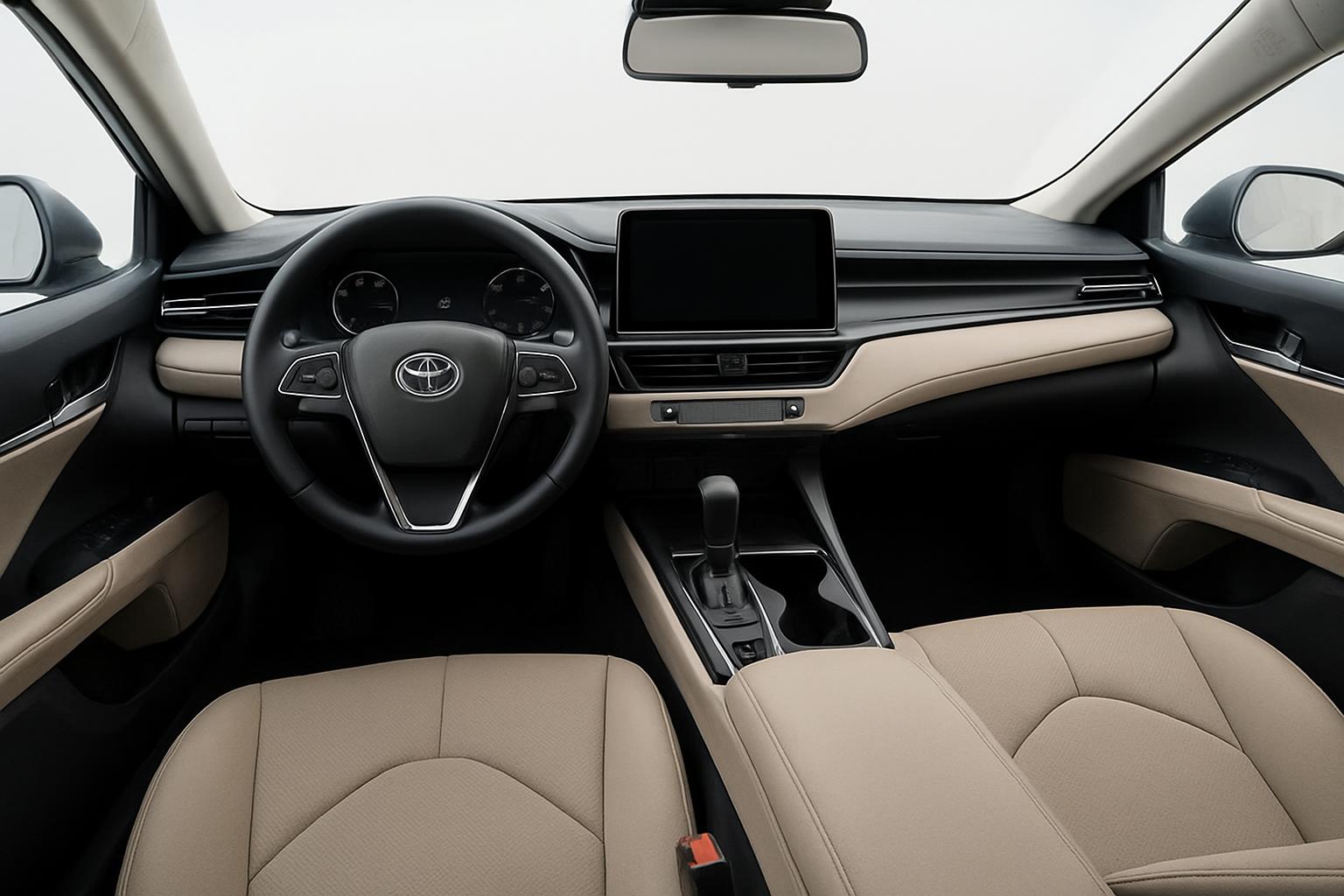
Understanding these factors helps buyers anticipate ownership costs, driving experience, and vehicle versatility. The Camry HEV AWD LE’s balance of hybrid efficiency and AWD traction positions it as a practical choice for drivers needing reliable all-season performance without stepping up to larger or more expensive SUVs.
In summary, the 2028 Toyota Camry HEV AWD LE’s specifications remain partly unconfirmed, but its foundational hybrid AWD concept promises a blend of efficiency and capability. Buyers should weigh the trade-offs between traction and fuel economy, verify key measurements upon release, and consider how these specs translate into everyday usability. This measured approach ensures the vehicle meets expectations in both performance and practicality.
Battery Technology and Electric-Only Range Considerations
The hybrid system’s battery pack is a pivotal element influencing the 2028 Camry HEV AWD LE’s efficiency and electric-only driving capability. While Toyota has historically used nickel-metal hydride or lithium-ion batteries in its hybrids, the specific chemistry and capacity for the 2028 model remain undisclosed. Battery size and chemistry directly affect how long the vehicle can operate in electric-only mode, which in turn impacts fuel consumption and emissions during city driving.
For buyers prioritizing short commutes or urban driving, a larger or more advanced battery could mean more frequent electric-only operation, reducing gasoline use and noise. Conversely, a smaller battery might limit electric range but reduce weight and cost. Additionally, the battery’s placement affects vehicle balance and interior packaging, especially in AWD configurations where rear electric motors draw power independently.
Prospective owners should inquire about the battery specifications and expected electric-only range once official data is available. This information clarifies how the hybrid system manages energy flow between the gasoline engine and electric motors, shaping both driving dynamics and ownership expenses.
Impact of AWD on Maintenance and Long-Term Reliability
Adding AWD to a hybrid sedan introduces mechanical and electrical complexity that can influence maintenance schedules and reliability perceptions. The rear electric motor and associated control systems require specialized servicing, which may differ from the more straightforward front-wheel-drive hybrid models.
While Toyota’s hybrid systems have a strong reputation for durability, the AWD variant’s additional components could affect repair costs and service intervals. Buyers should consider whether local dealerships have the expertise and parts availability to support the AWD hybrid system efficiently. Furthermore, understanding warranty coverage specifics for the AWD components is essential to gauge potential ownership risks.
Evaluating these factors helps align the Camry HEV AWD LE’s specs with practical ownership realities, especially for those intending to keep the vehicle long term or in regions where AWD use is frequent and demanding.
For confirmed updates, consult Official Toyota website and EPA fuel economy information. These resources do not confirm unannounced model-year details.
Toyota Camry — Compare With Previous Model Year
| EPA specification | 2028 | 2027 |
|---|---|---|
| Configurations | Not Confirmed | Not Confirmed |
| Powertrain | Not Confirmed | Not Confirmed |
U.S. EPA verified comparison is currently unavailable for this article. No specifications have been inferred.
Frequently Asked Questions
2028 Toyota Camry HEV AWD LE Specs: The Practical Side of Fuel Efficiency - Deciding between a hybrid sedan with all-wheel drive and one without often boils down to two priorities: traction and efficiency. The 2028 Toyota Camry HEV AWD LE promises to blend hybrid fuel savings with…
Powertrain and Drivetrain: What’s Confirmed and What Remains Unclear The core of the 2028 Toyota Camry HEV AWD LE’s appeal lies in its hybrid all-wheel-drive system. Toyota’s recent AWD hybrid setups typically pair a gasoline engine driving the front wheels with an electric motor powering the rear axle.…
For the 2028 model, official power output figures have not been published. The previous-generation Camry Hybrid AWD LE used a 2.5-liter four-cylinder engine combined with electric motors to produce a system output around 208 horsepower. This powertrain balanced fuel economy and everyday responsiveness but was not designed for…
Buyers should verify whether the 2028 model continues with a similar hybrid system or adopts new battery technology or motor configurations. Changes here directly affect acceleration, fuel economy, and AWD capability. For example, a more powerful rear electric motor could improve off-the-line traction and hill climbing, while a…
Until Toyota releases detailed specs, potential owners must confirm the exact powertrain layout, horsepower, torque, and battery capacity. These numbers matter because they influence not just performance but also long-term ownership costs and driving experience in varied weather.